Yogic Tools
- Mantra
- Asana
- Pranayama
- Pratyahara
- Yogic Games
- Kirtan
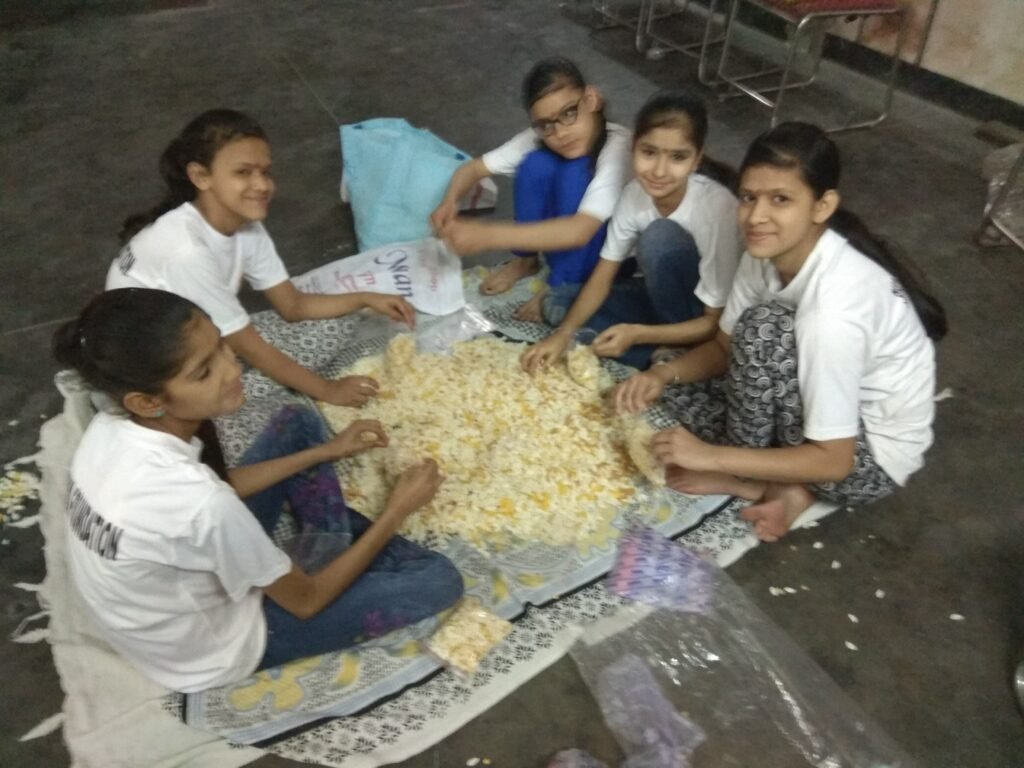
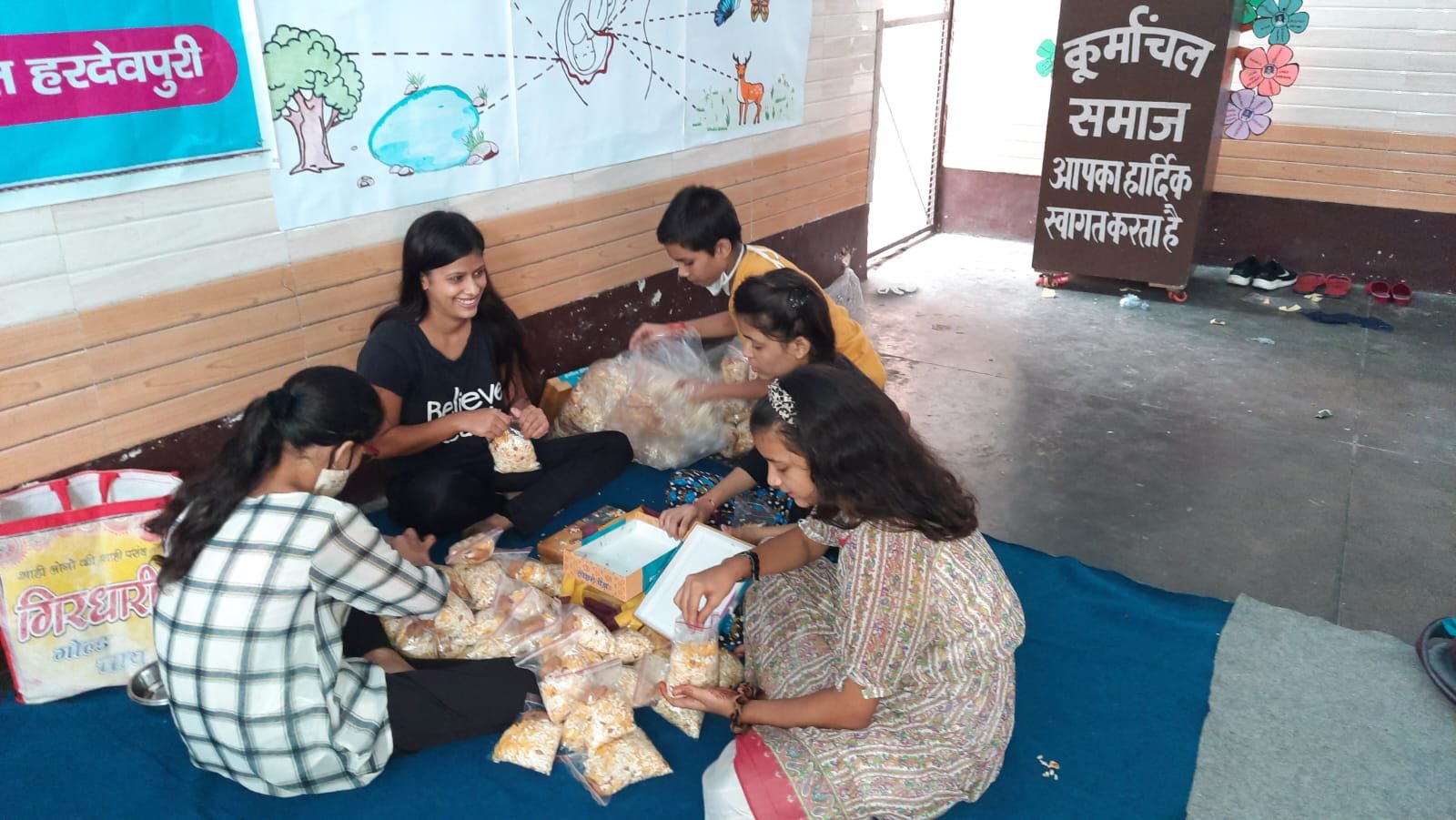
- Karma Yoga
- Cleansing Practice
- Maha Mrityunjaya Homa
- Excursions
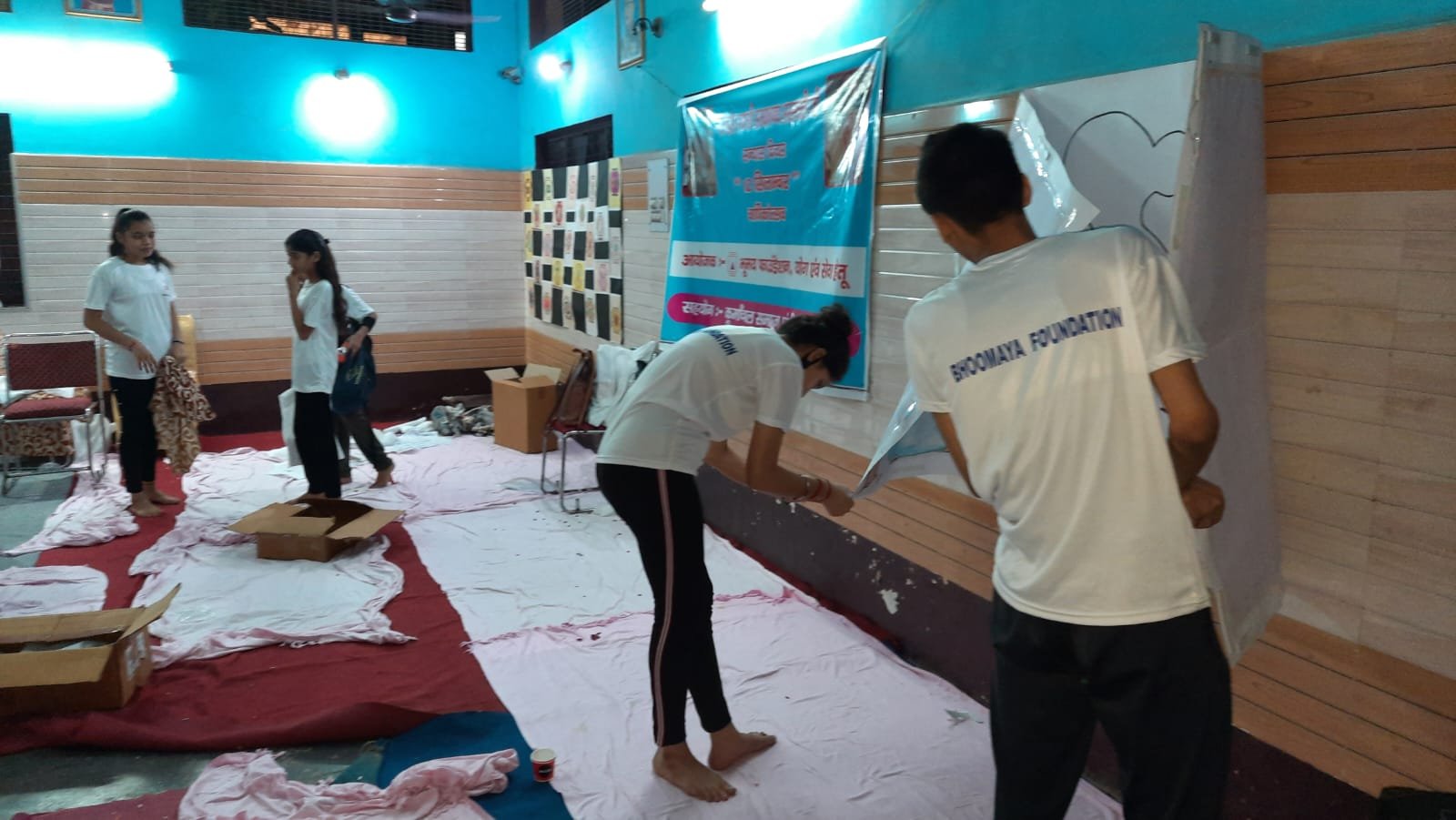
- Seva
- Permanent Events
-
Swami Satyanand Saraswati Sanyas Divas
-
Saraswati Divas
A mantra is a sound vibration that serves as a powerful force to free the mind from its usual state of identification, allowing for greater creativity and expanded consciousness.
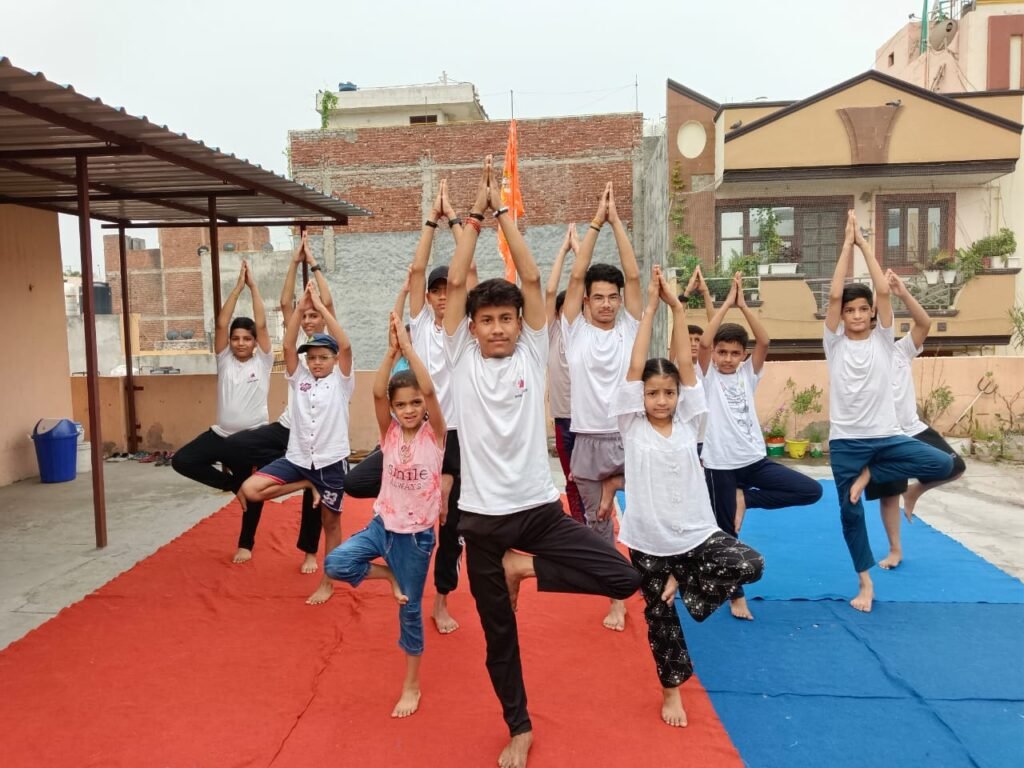
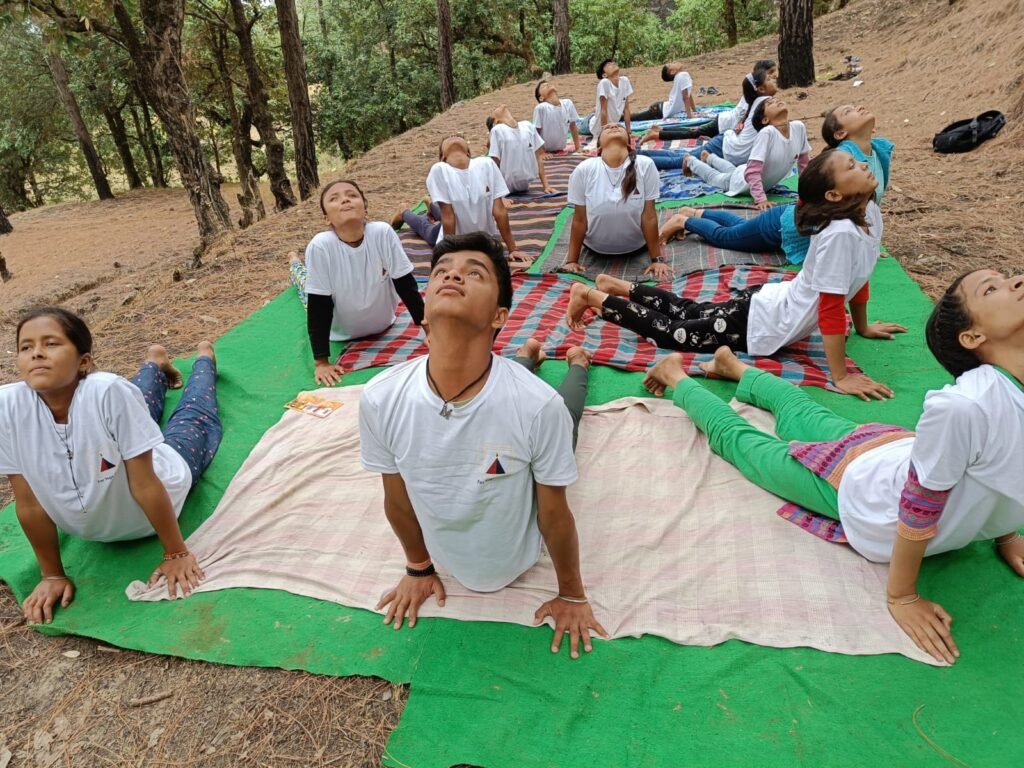
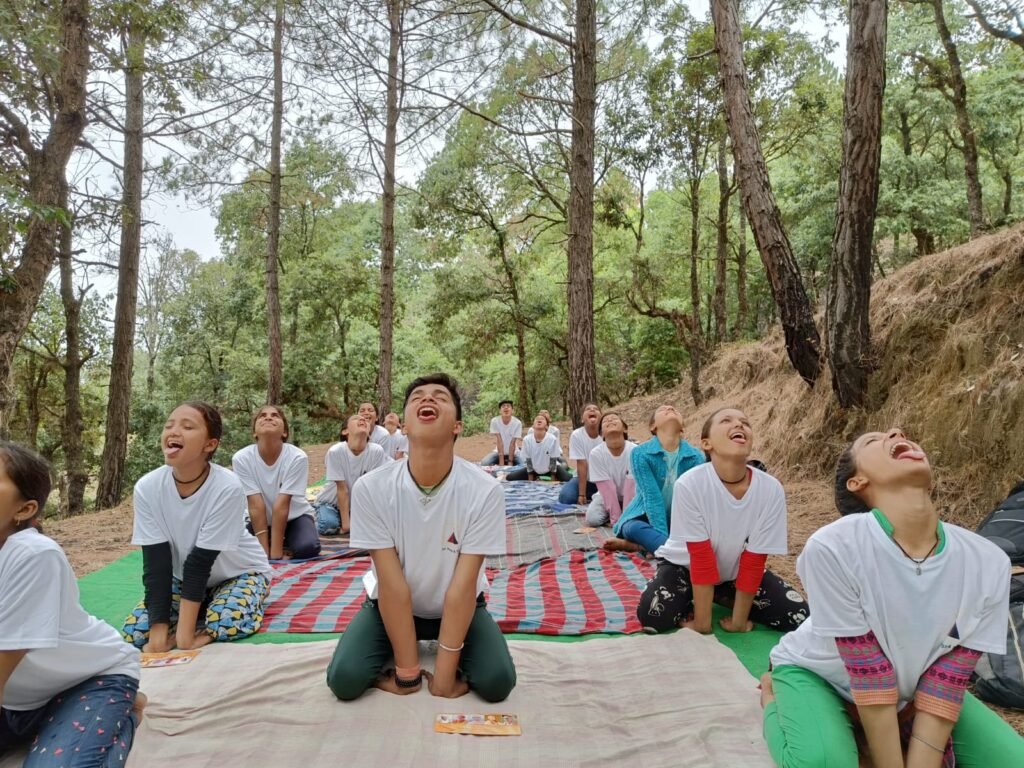
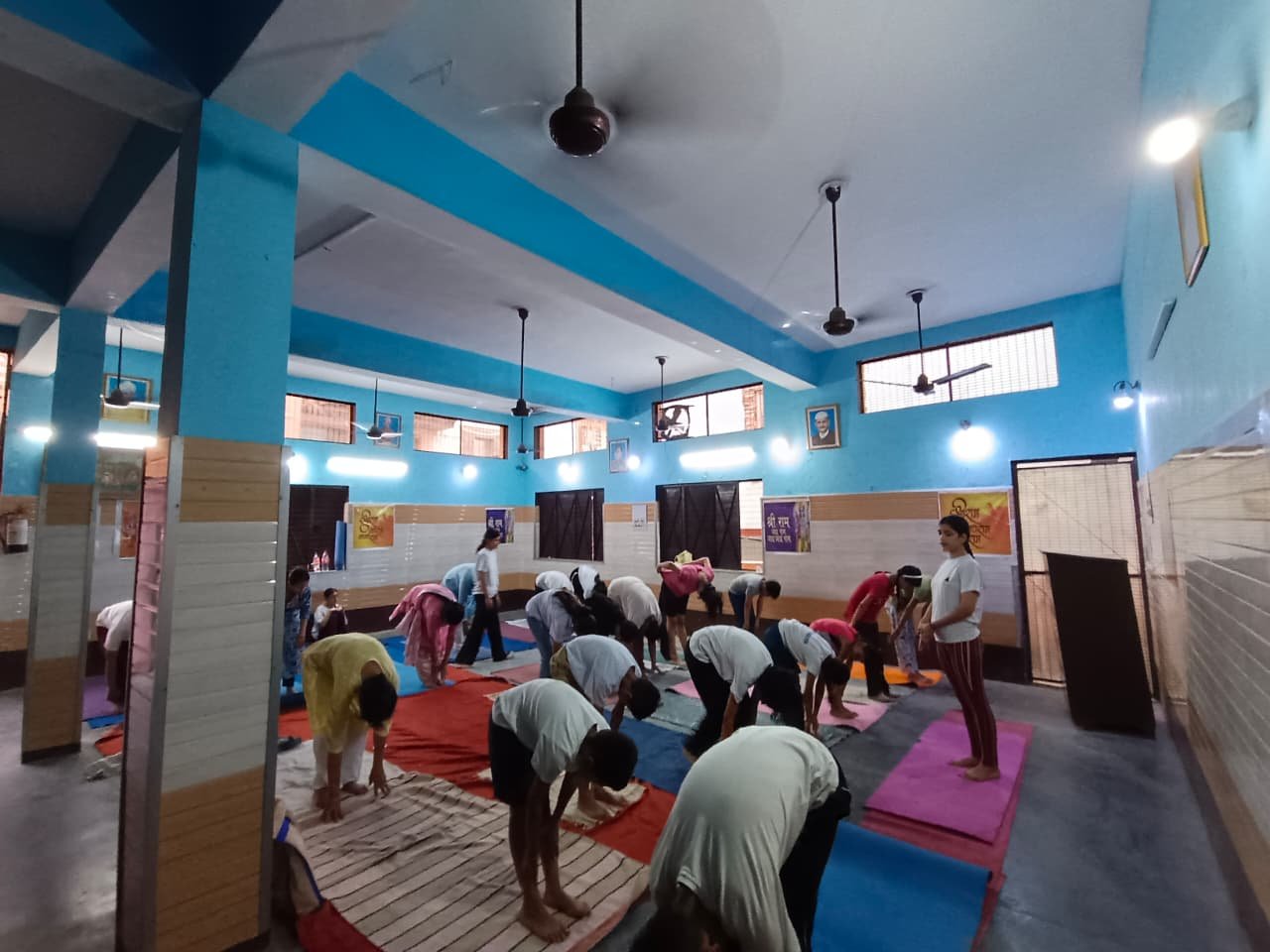
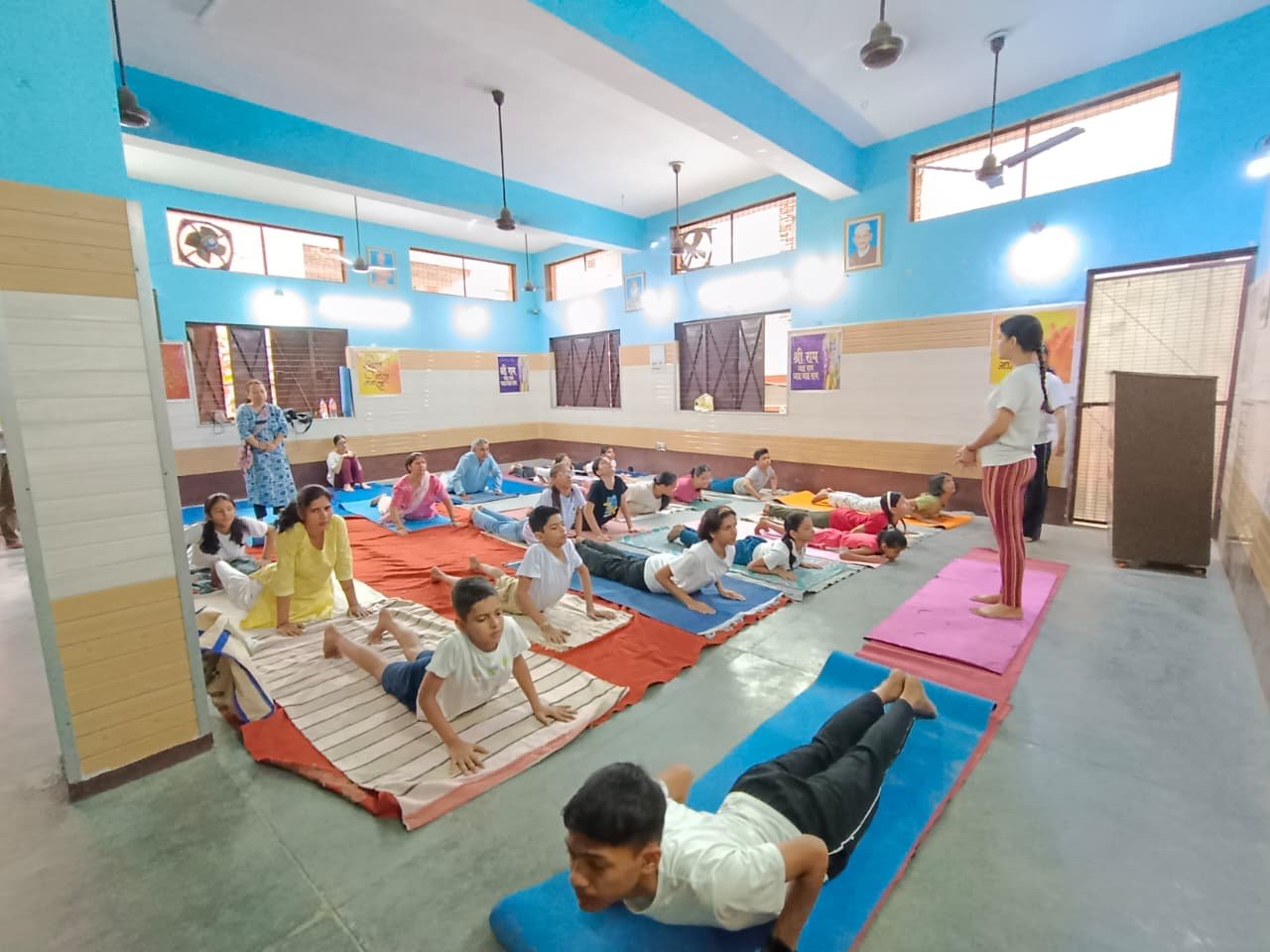
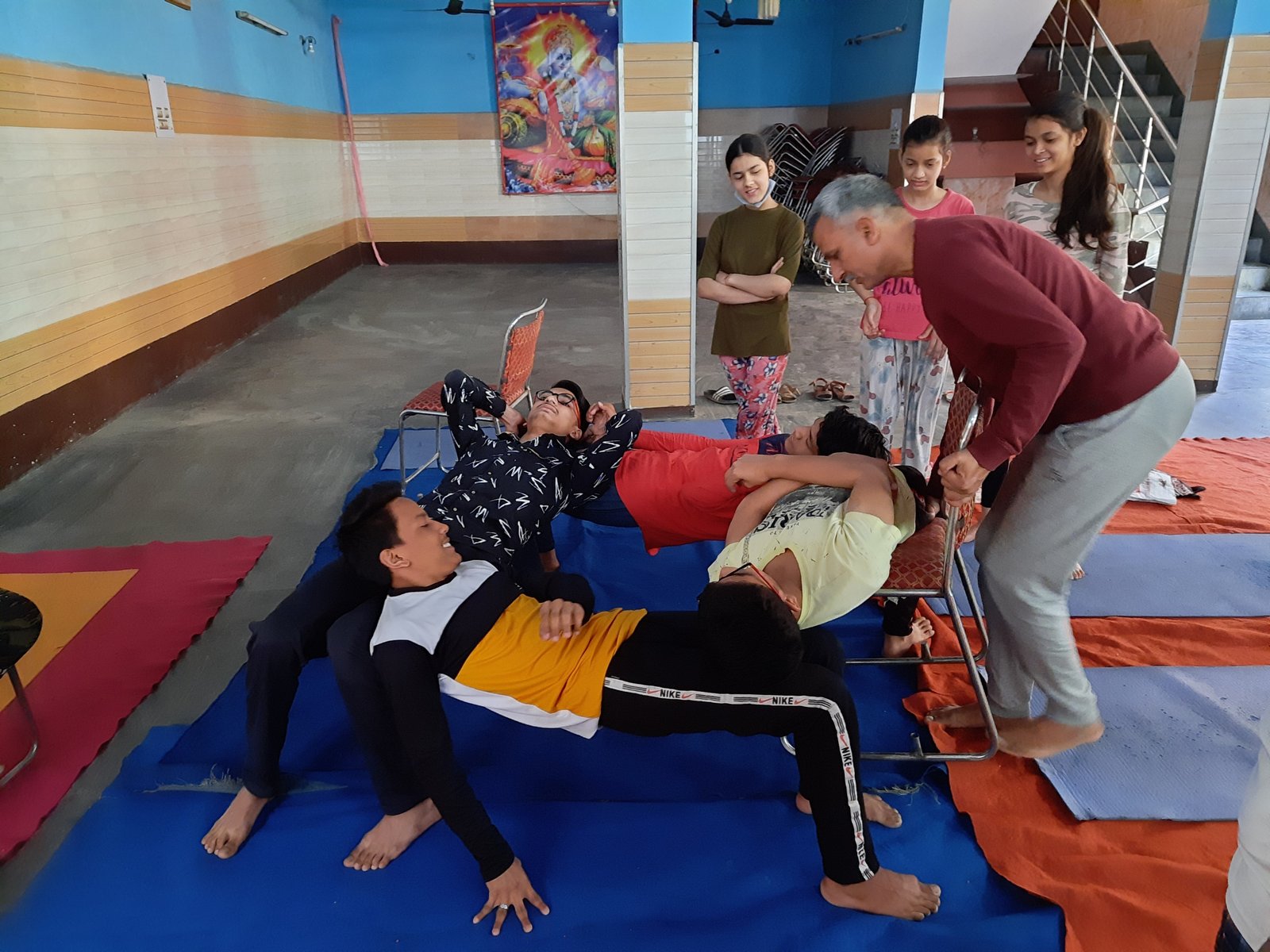
Asana or posture are fundamental steps to connecting with ourselves. Since we can easily feel and understand our bodies, these practices serve as powerful tools for enhancing concentration and developing awareness.
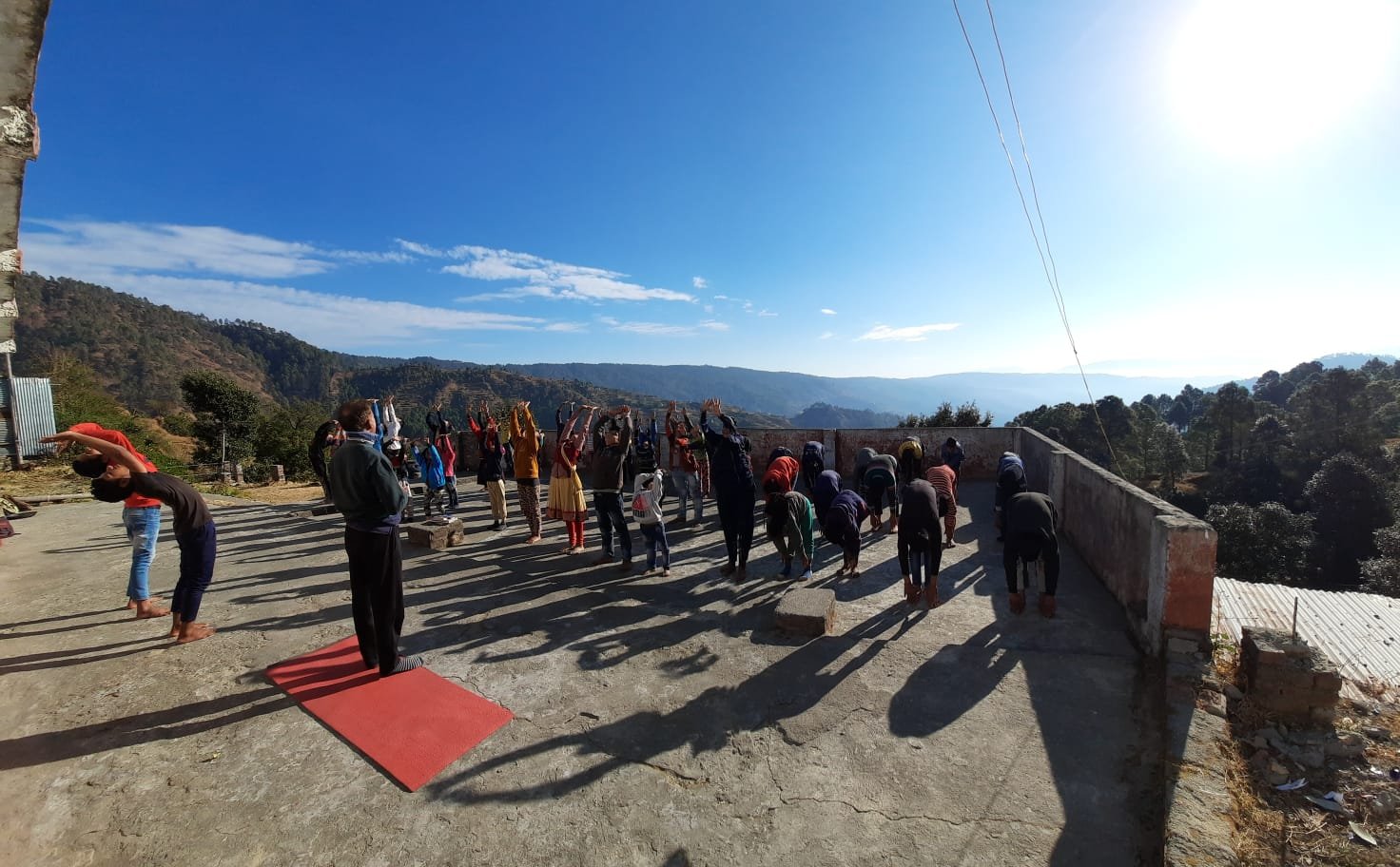
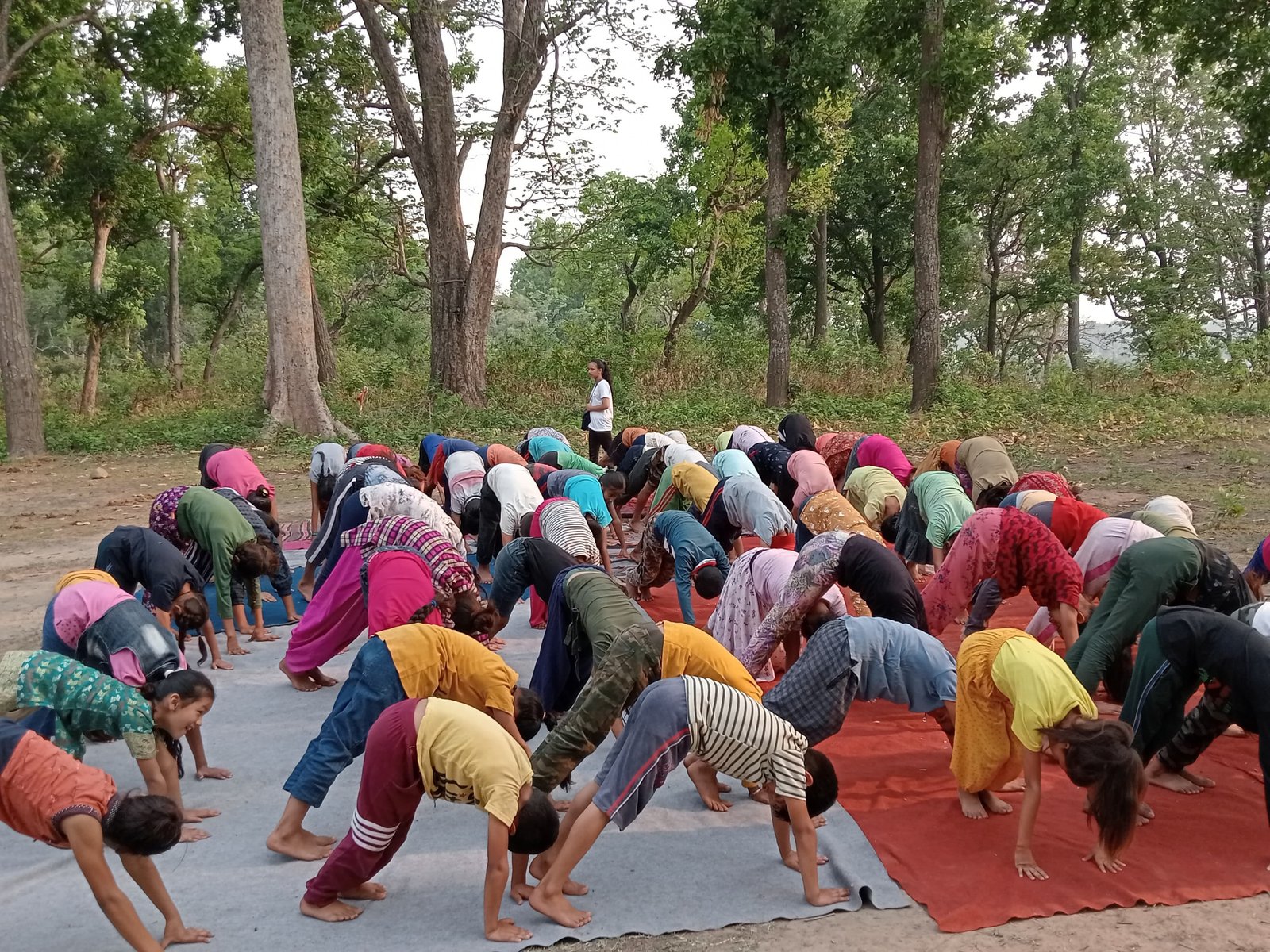
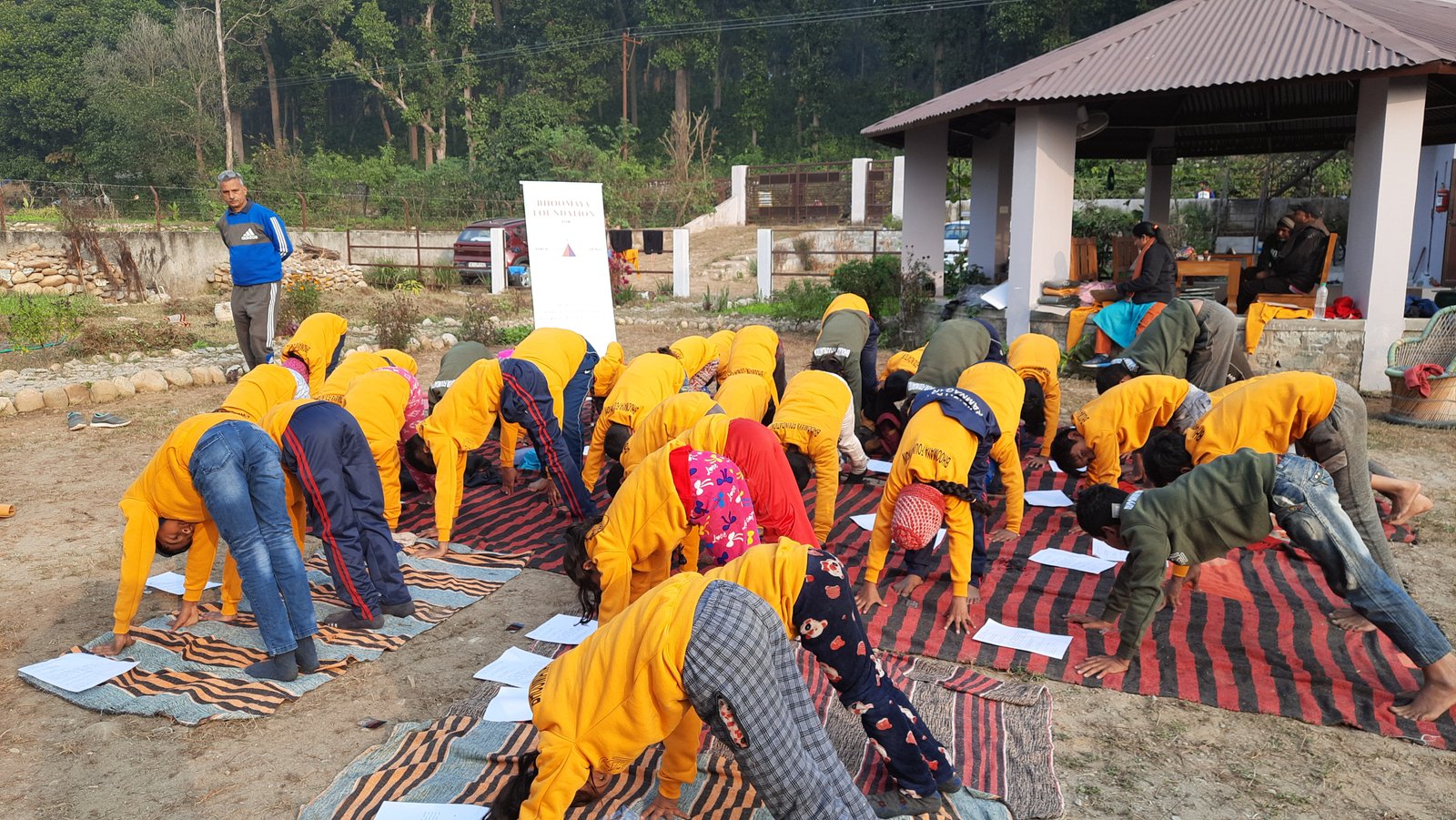
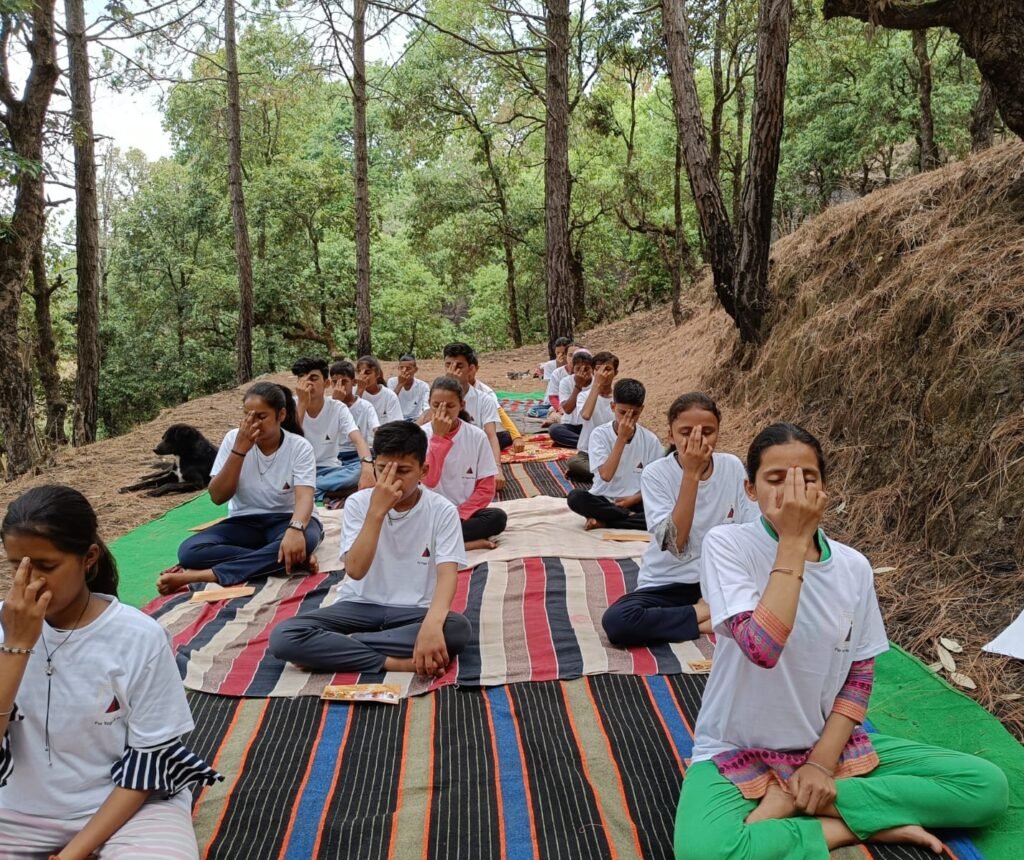
Pranayama practices are breathing exercises that both energize the body and calm the mind. They rapidly boost energy levels and prepare you for the next stage of yoga, which is pratyahara. Additionally, these techniques enhance focus, concentration, and memory.
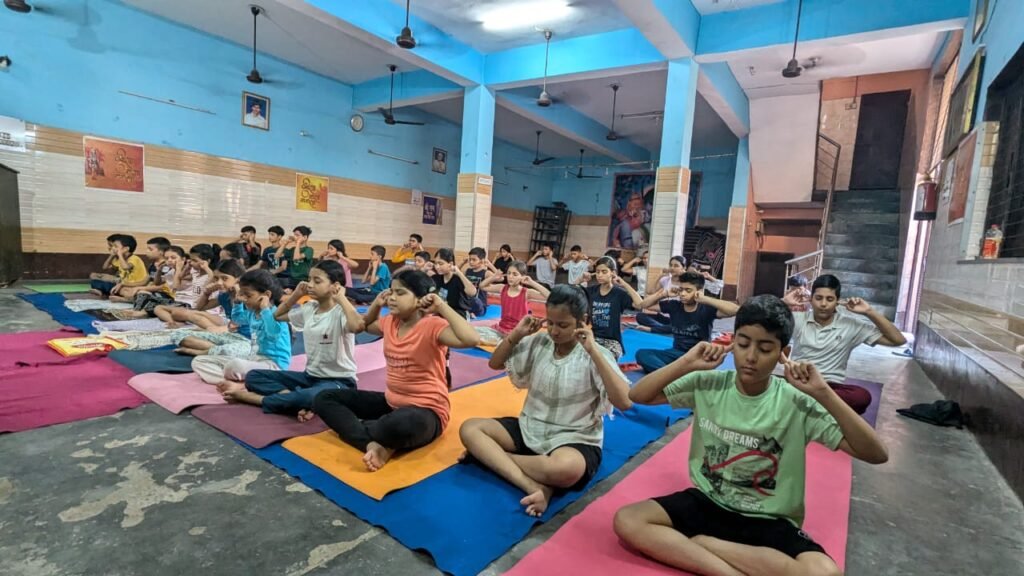
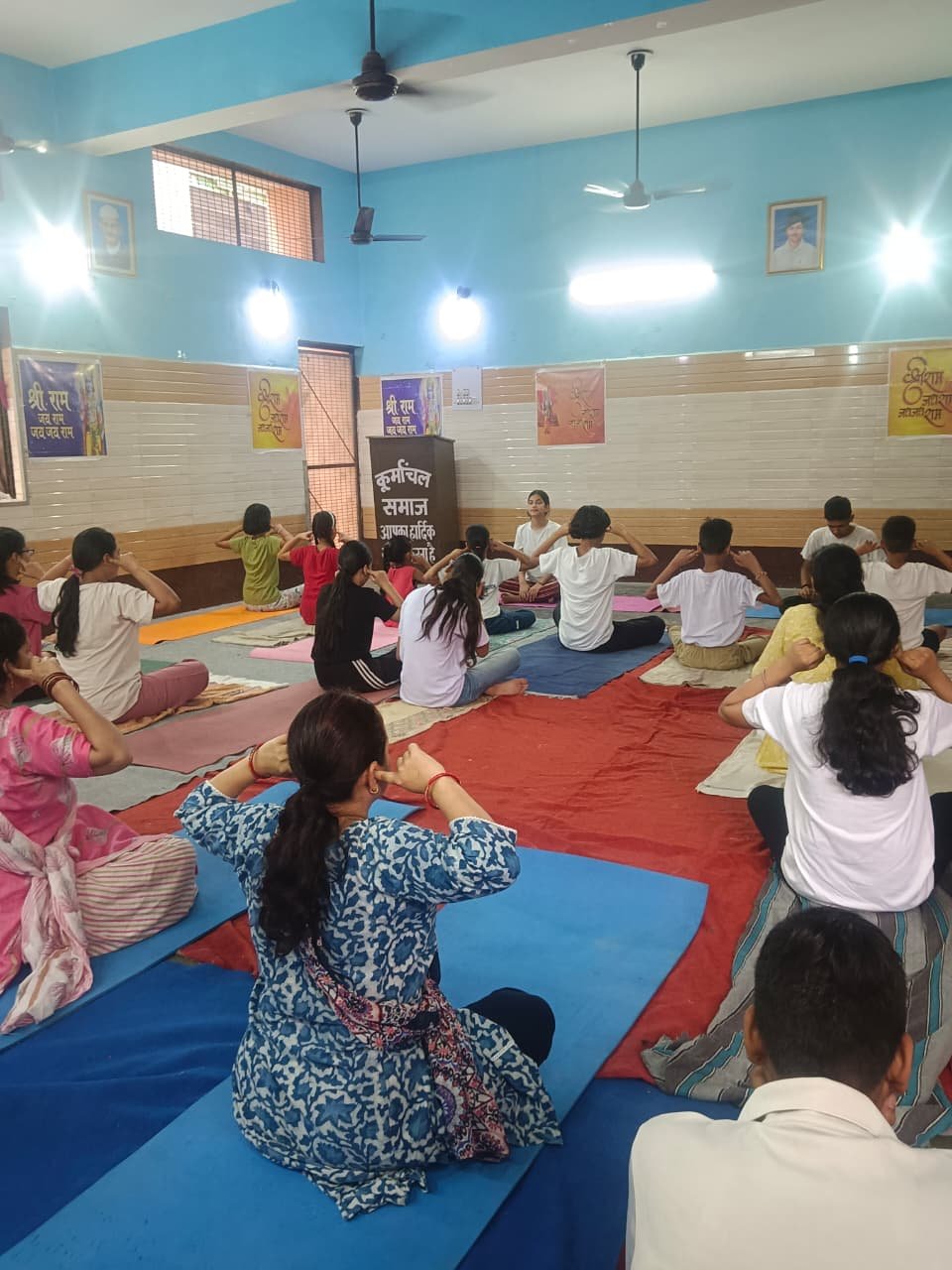
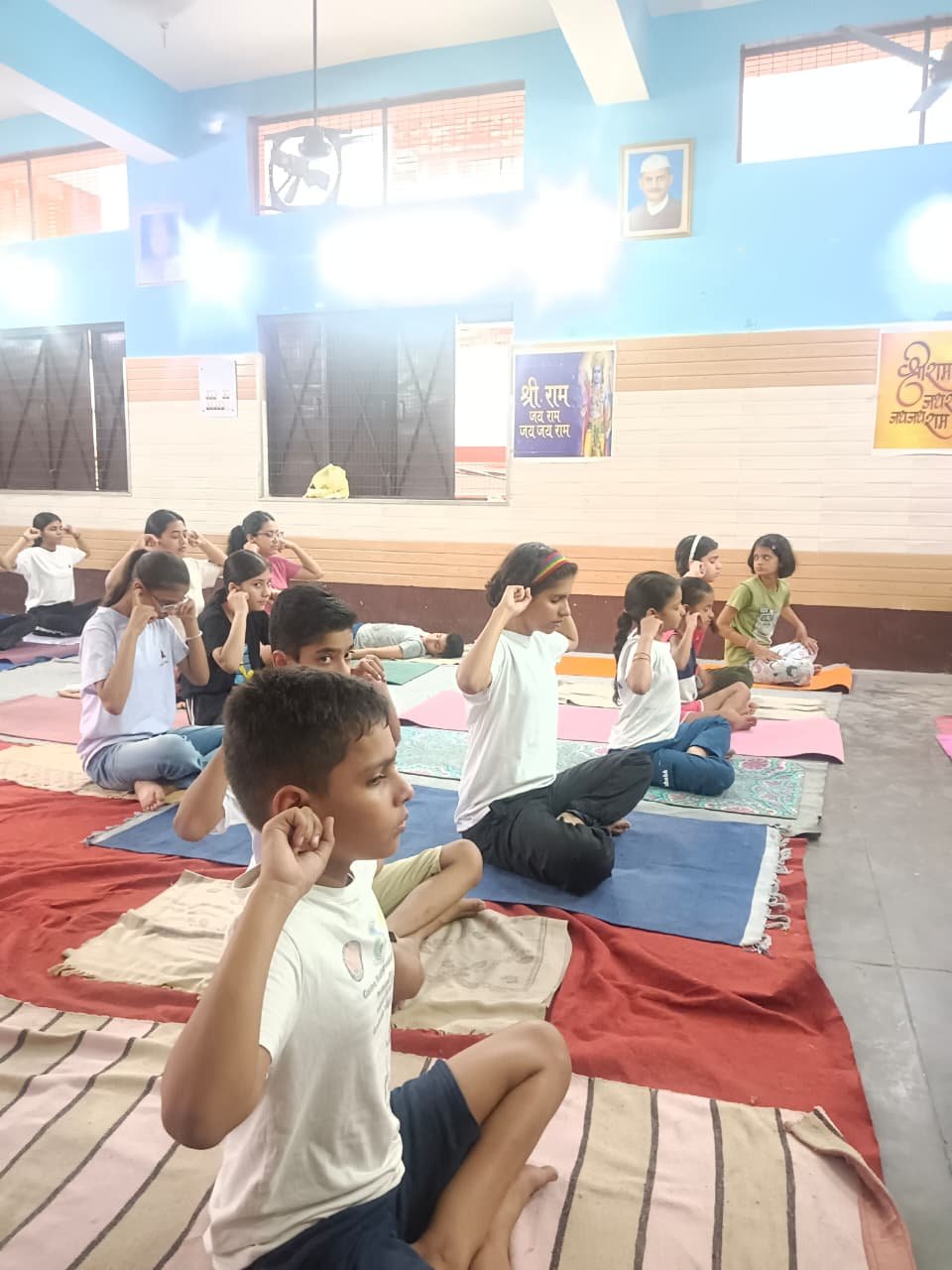
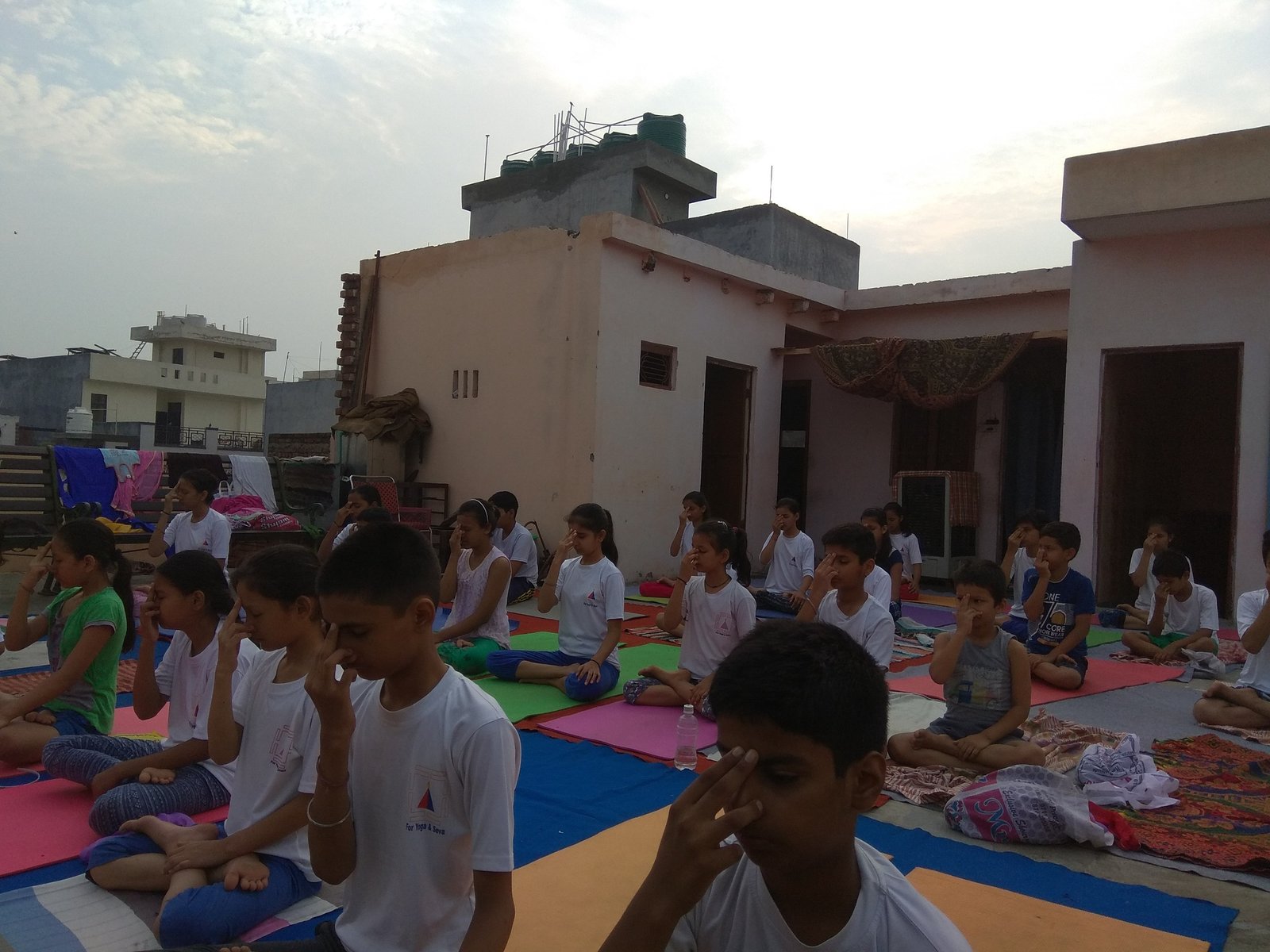
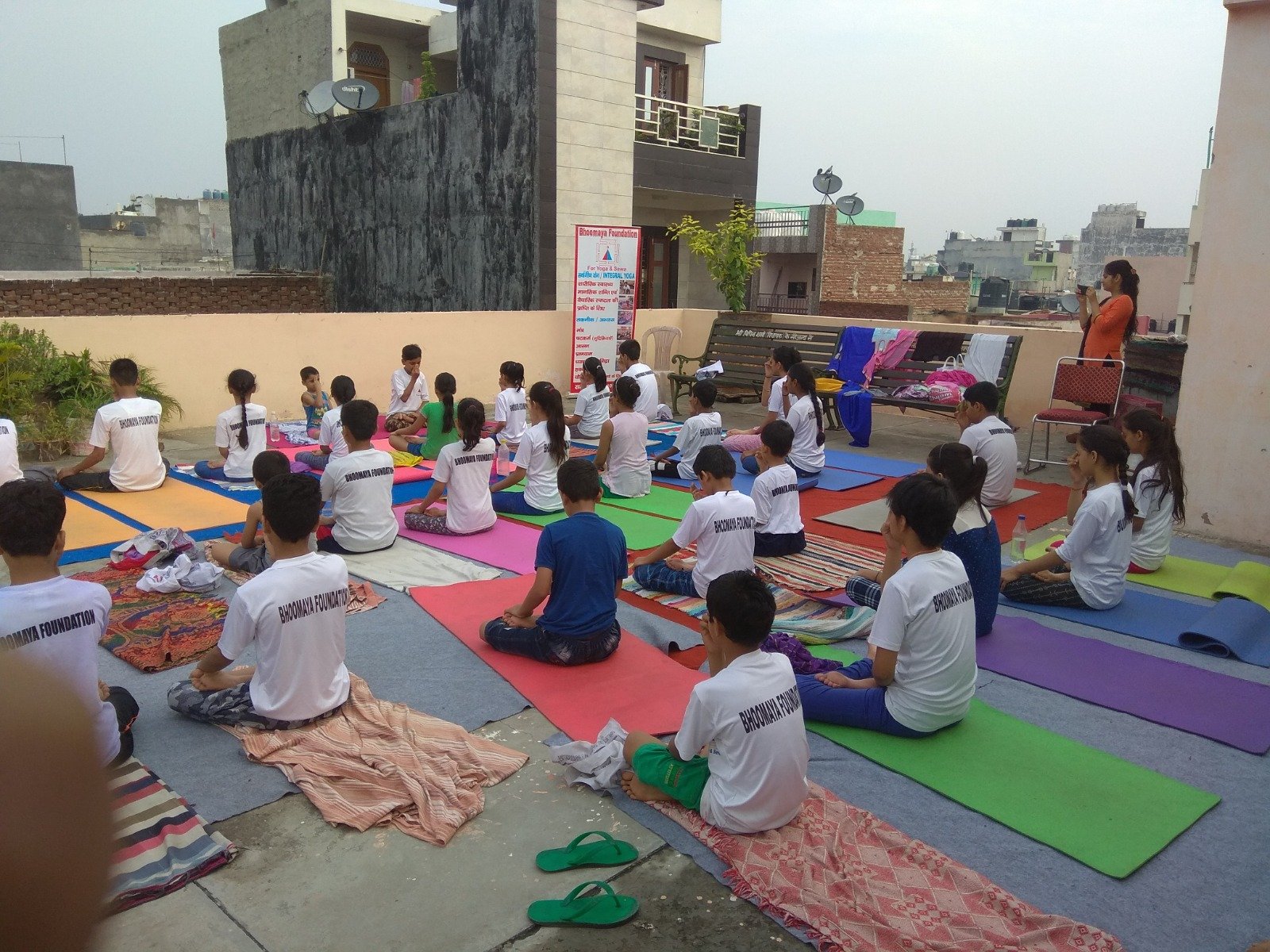
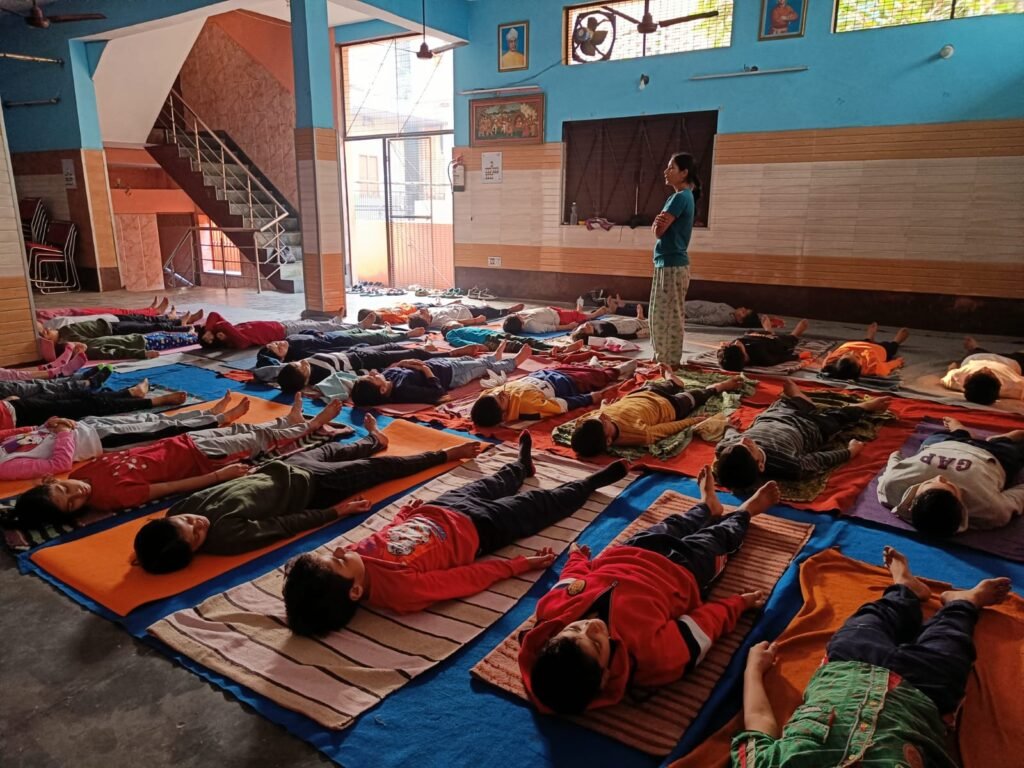
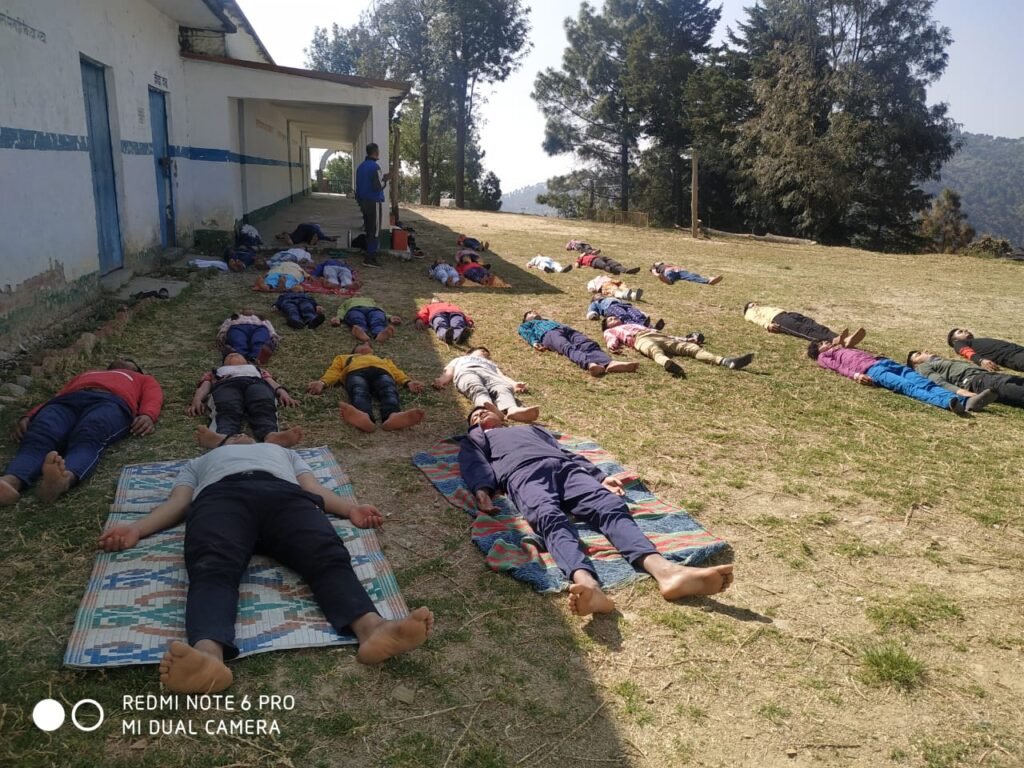
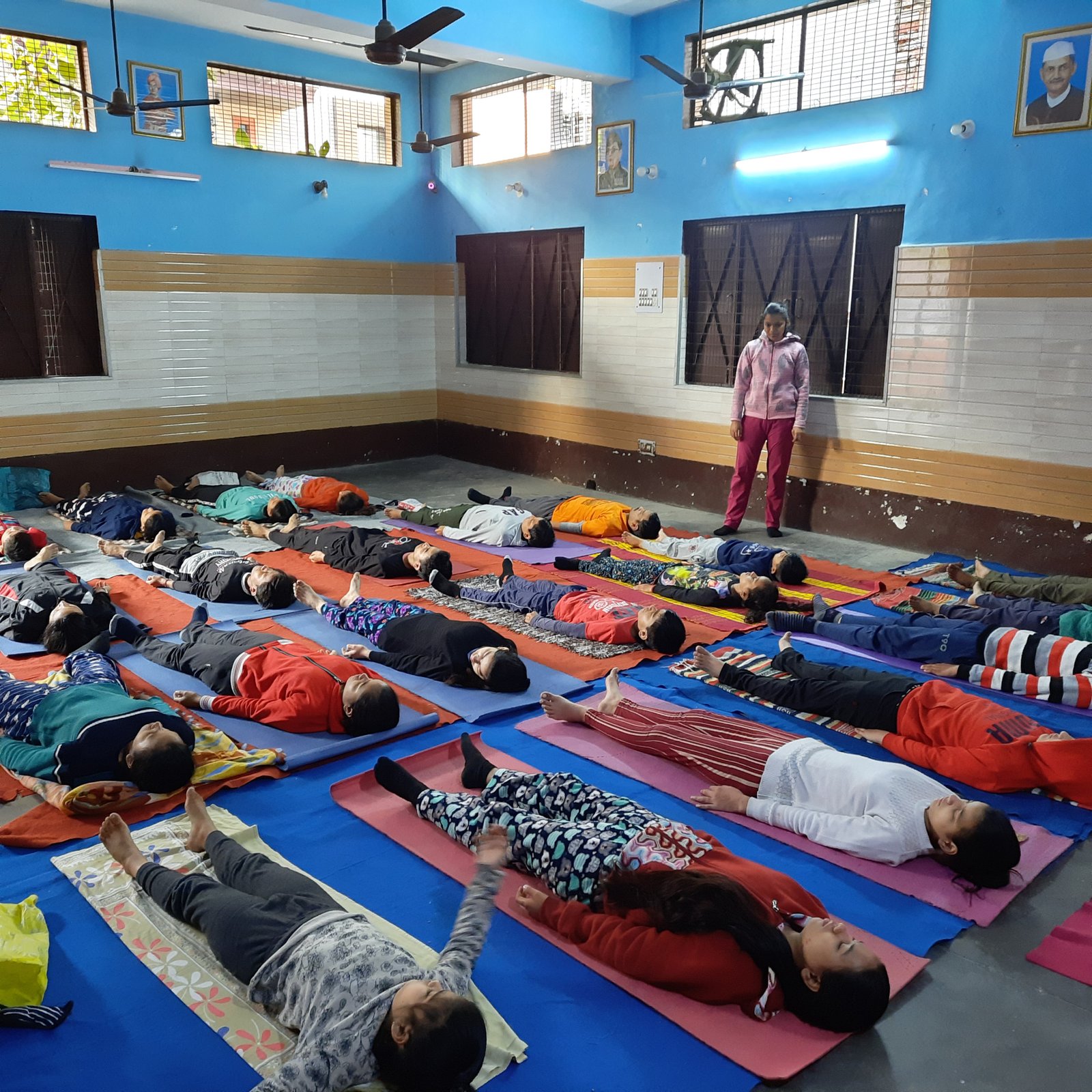
Pratyahara refers to withdrawing the mind inward, minimizing interaction with the external world by reducing sensory stimulation. Yoga Nidra is a potent Pratyahara technique that deeply relaxes all aspects of the personality, fostering enhanced physical, mental, and emotional well-being.
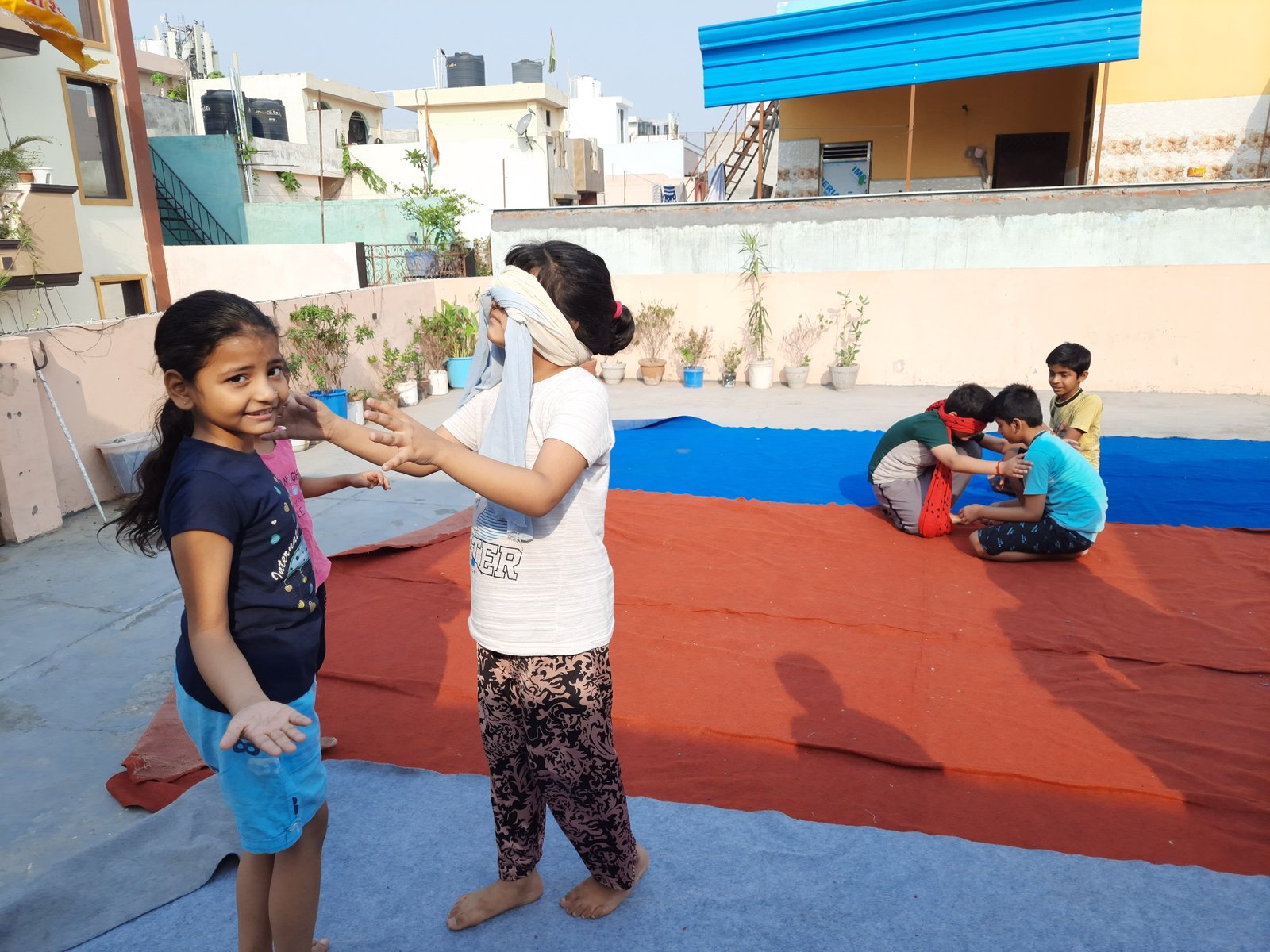
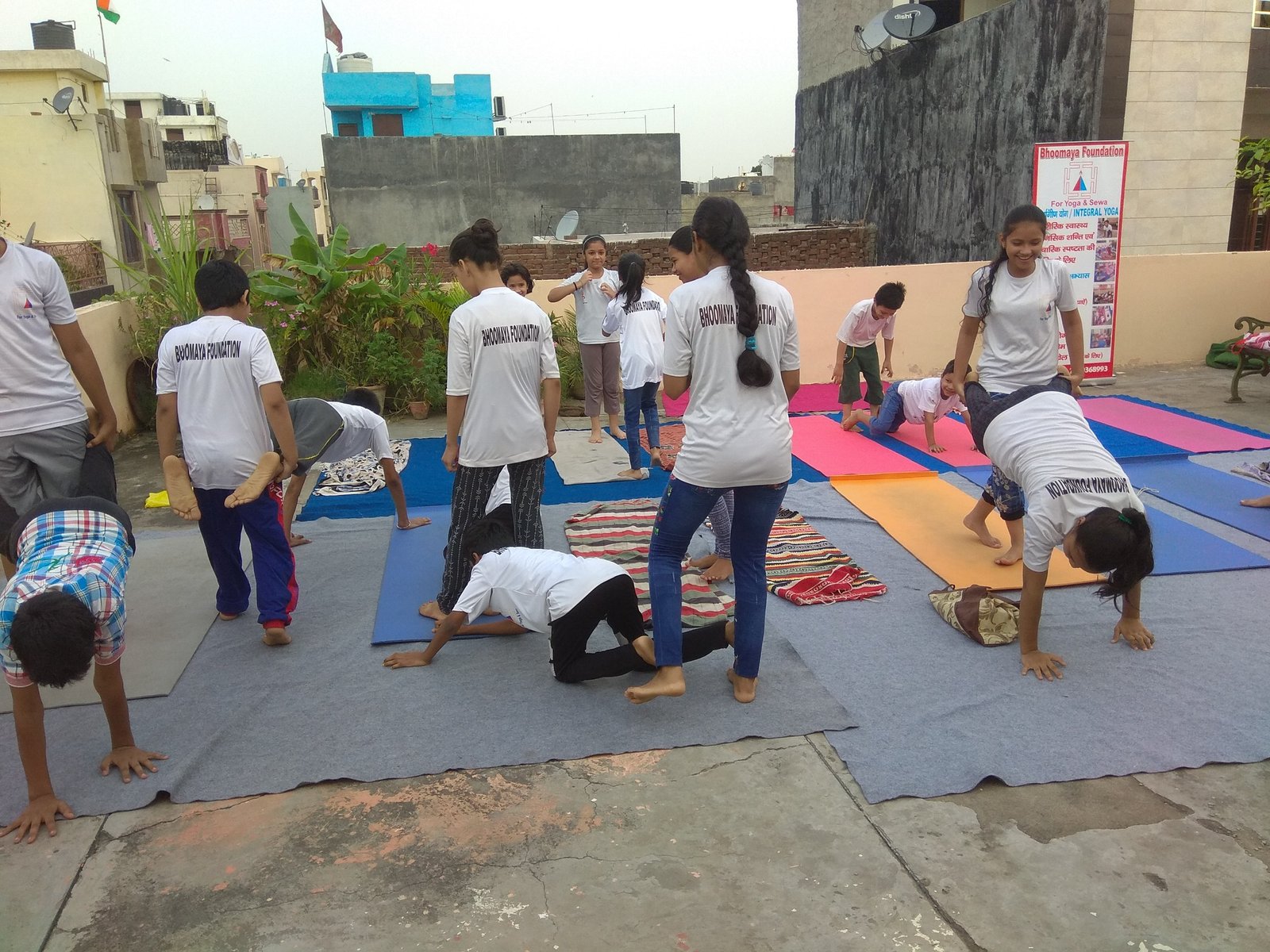
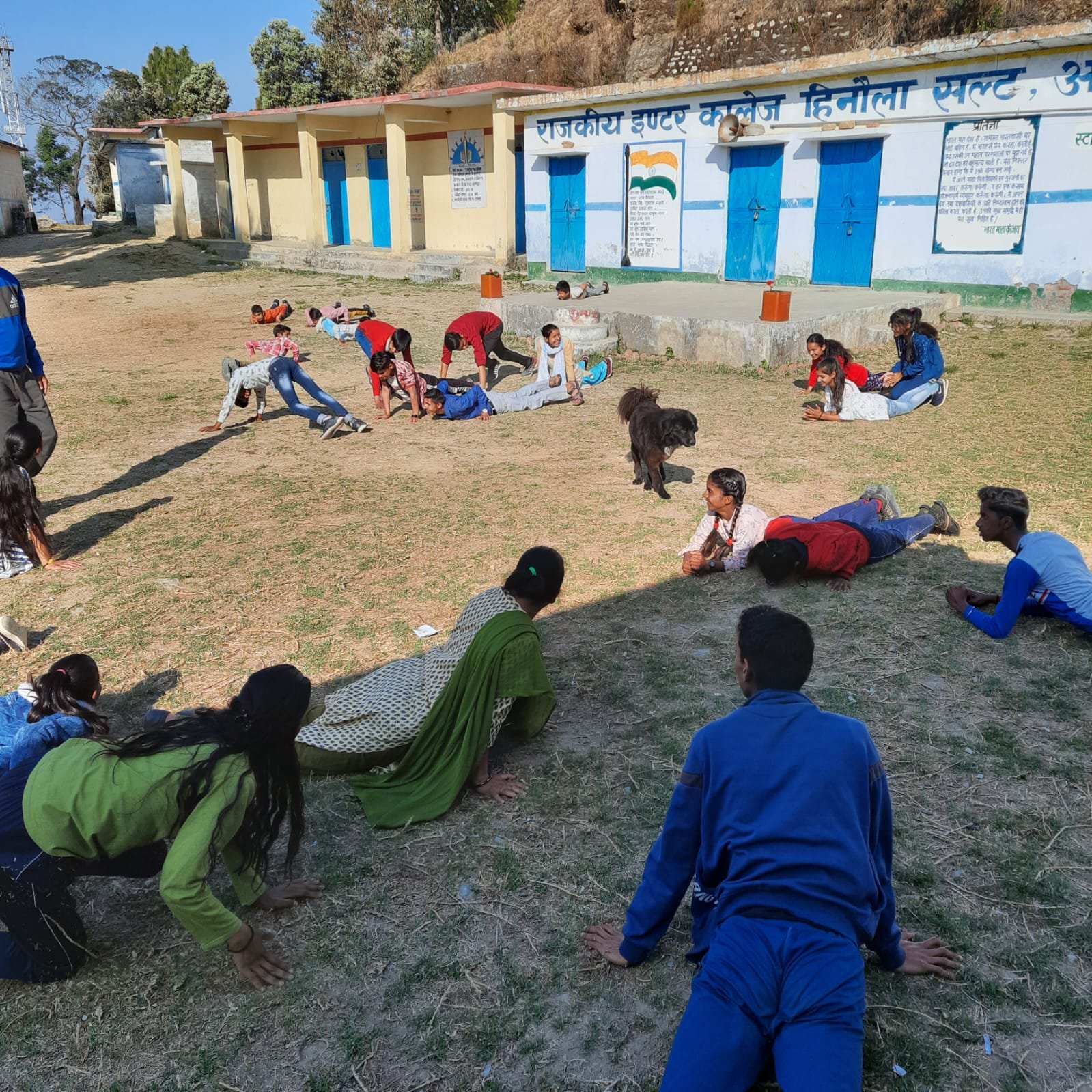
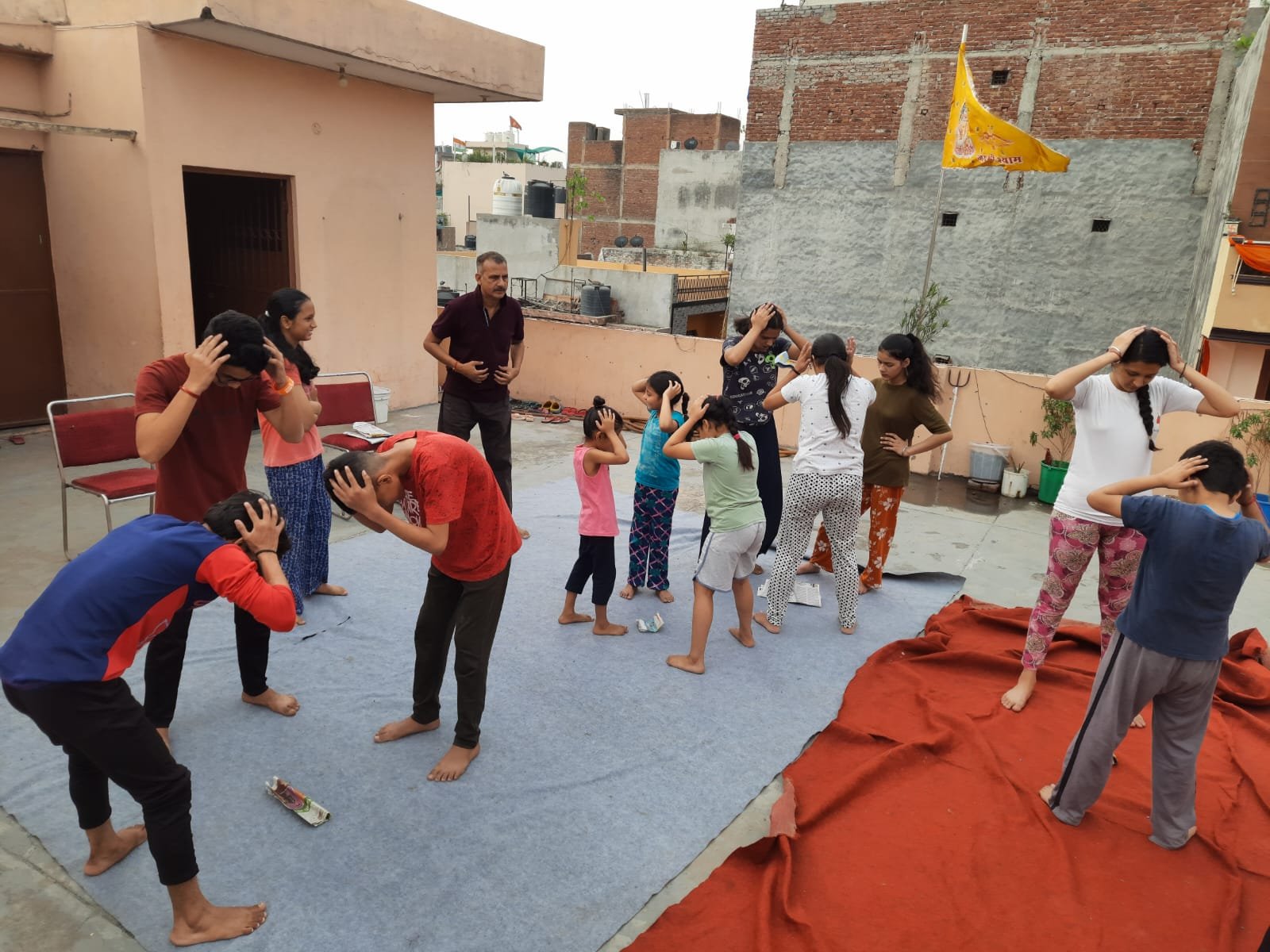
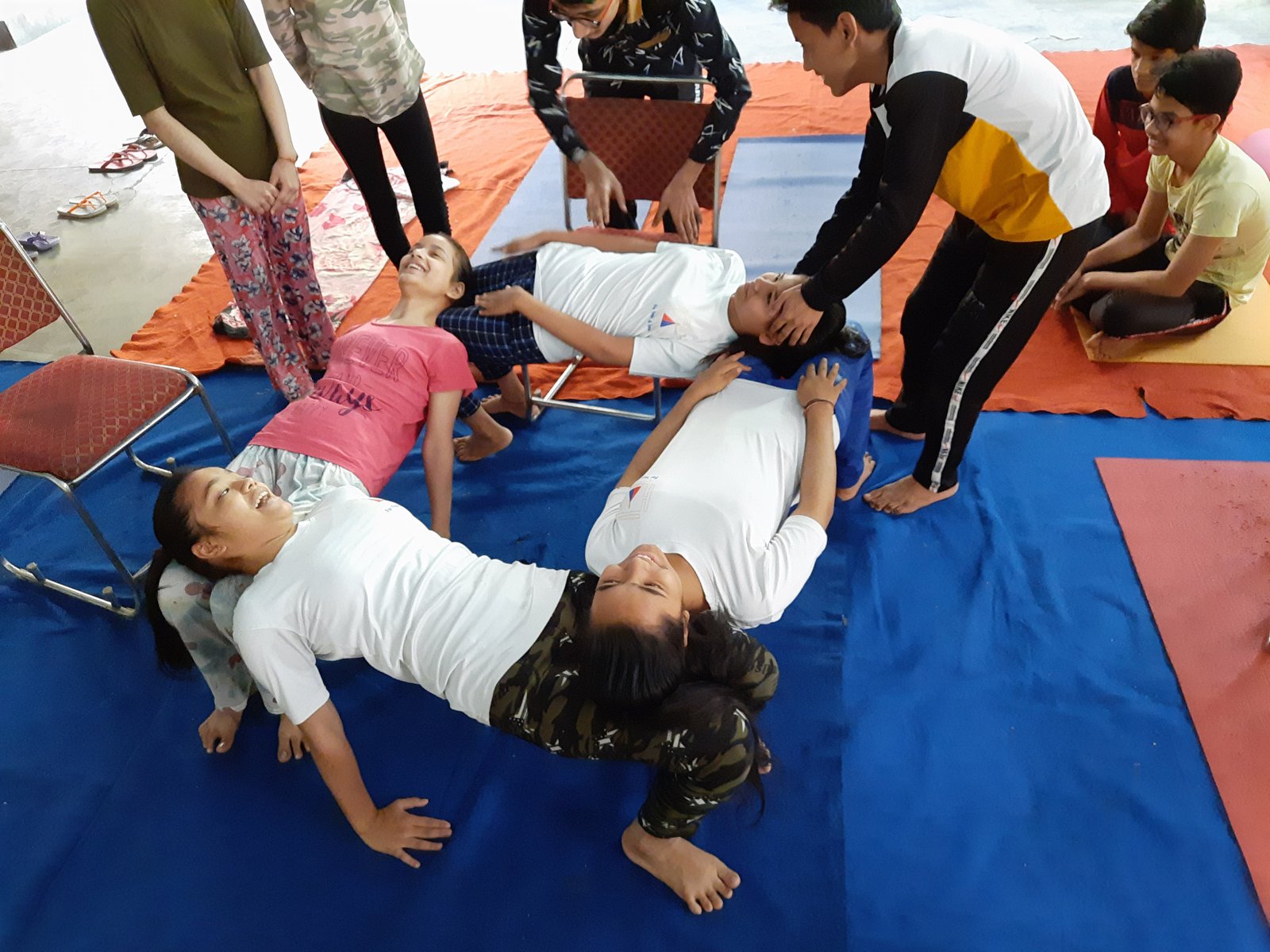
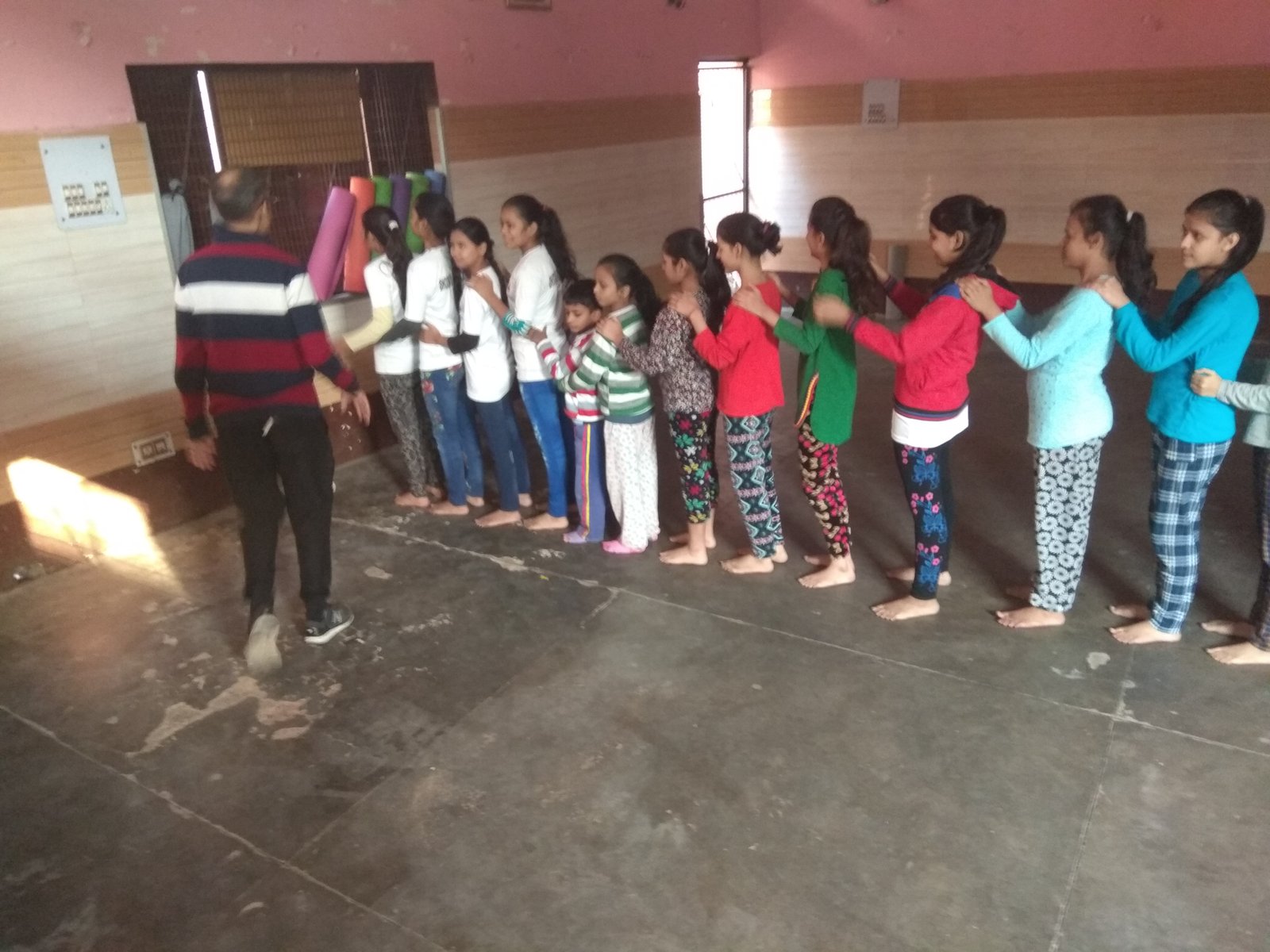
Classic yoga techniques help us develop self-awareness, while yogic games enhance our awareness of the surroundings. These games also provide opportunities to foster cooperation, leadership, decision-making, teamwork, and trust, all in a joyful manner
Kirtan is a key element of yoga, specifically within Nada Yoga, the yoga of sound.
~ Swami Paramhans Satyananda Saraswati~
Rather than being a religious practice, Kirtan involves producing sound waves and following them with focused awareness. This practice has a profound impact on emotions, harnessing the power of sound to cultivate inner harmony and emotional balance.योग: कर्मसुकौशलम्
Karma Yoga focuses on the integration of action, intellect, and
attitude. It refines these three
aspects, facilitating personal growth and evolution on all levels. By cultivating skillful
action,
sharp intellect, and a balanced attitude, one progresses in both practice and understanding.
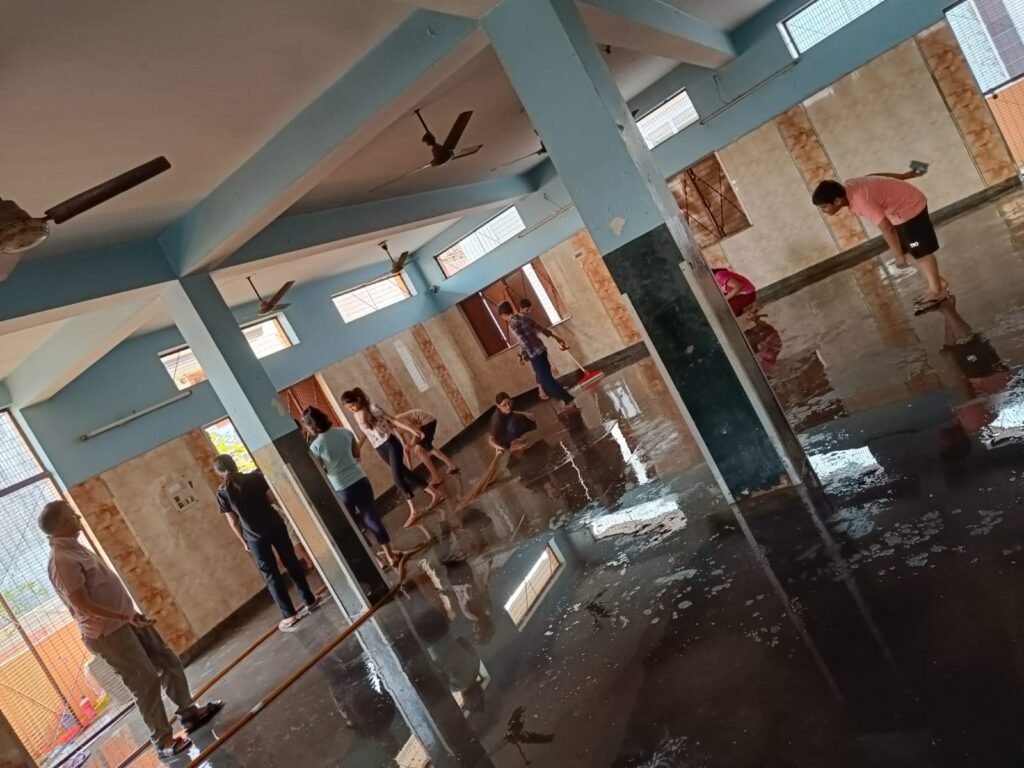
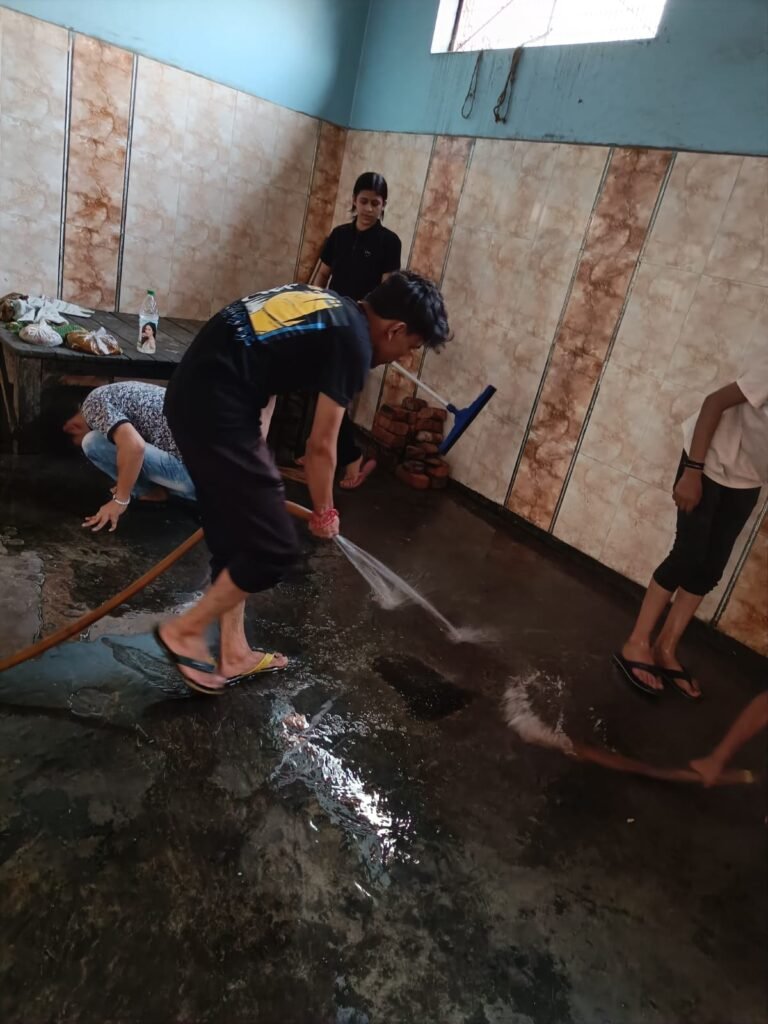
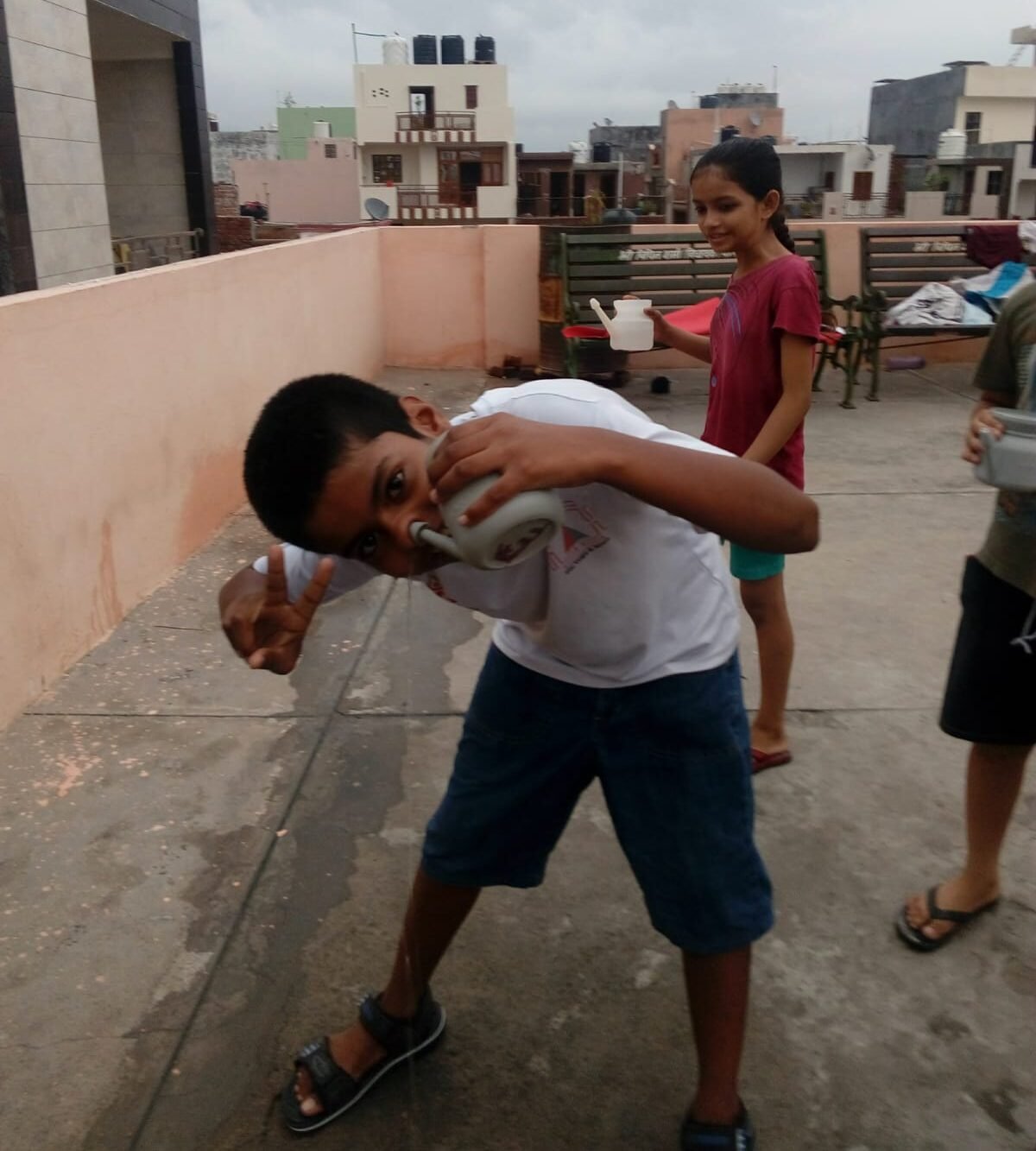
Cleansing practices address both physical and psychological issues caused by impurities in the air. For example, Neti, a nasal cleansing technique, helps remove excess mucus from the nasal passages, making breathing smoother and more effortless. This, in turn, supports better brain function and reduces strain on the circulatory system. Additionally, it enhances sensory functions such as smell, hearing, and sight, contributing to overall well-being
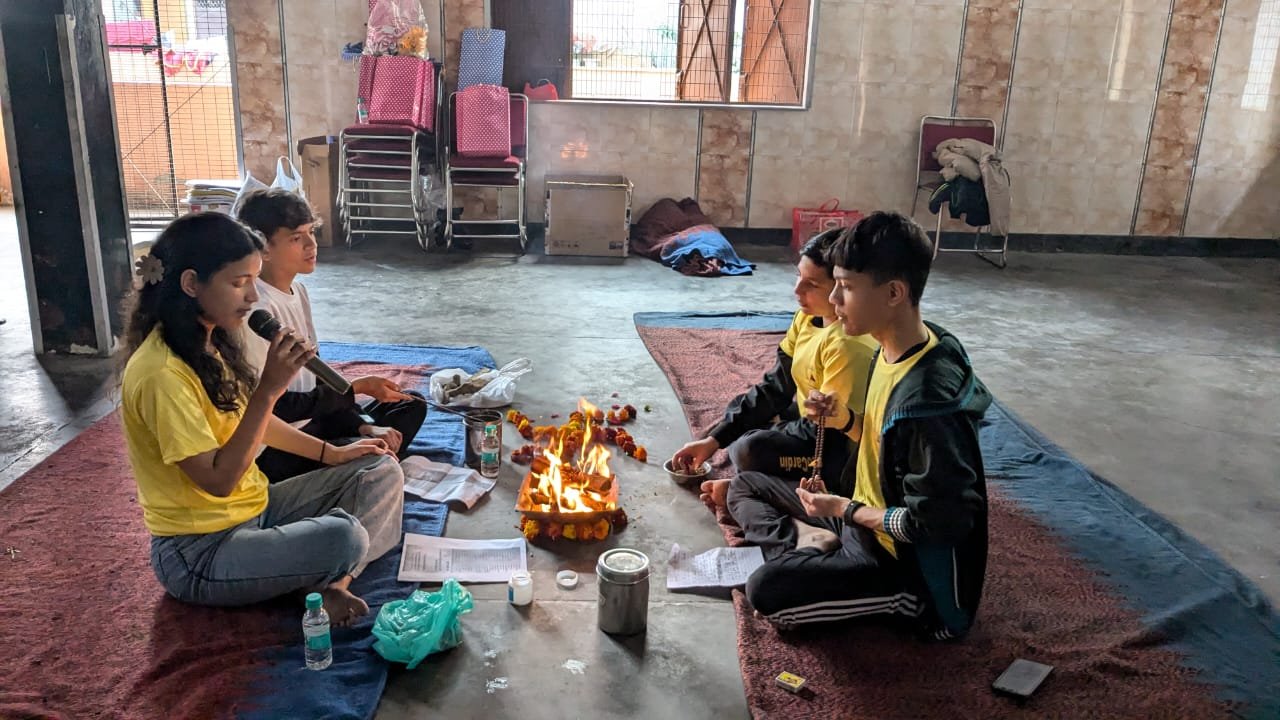
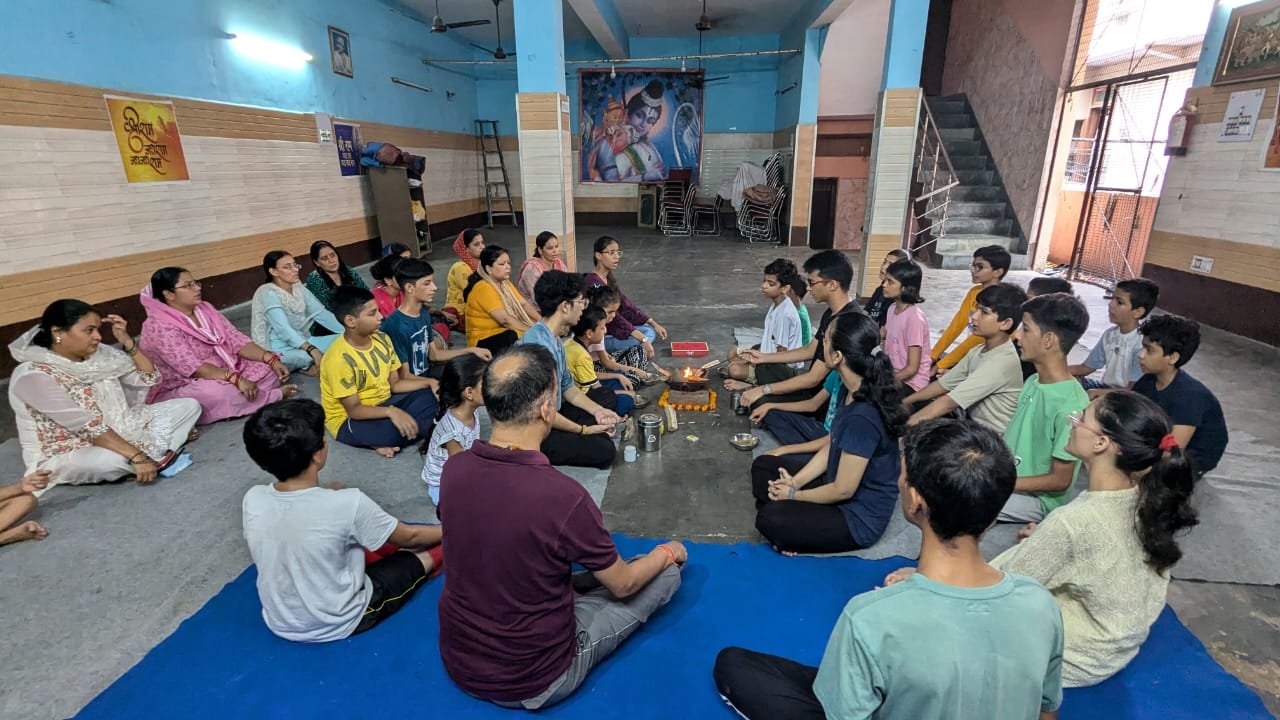
Maha Mrityunjaya Homa is a ritual conducted on the fourth Saturday of every month. The Maha Mrityunjaya mantra is a powerful chant known for its healing, wellness, vitality, and immunity-boosting benefits. During the ritual, we use a combination of medicinal herbs, pure ghee, and mango twigs to purify the atmosphere and enhance overall health. We also offer prayers for the well-being of others, aiming to bring protection and positive energy into their lives.
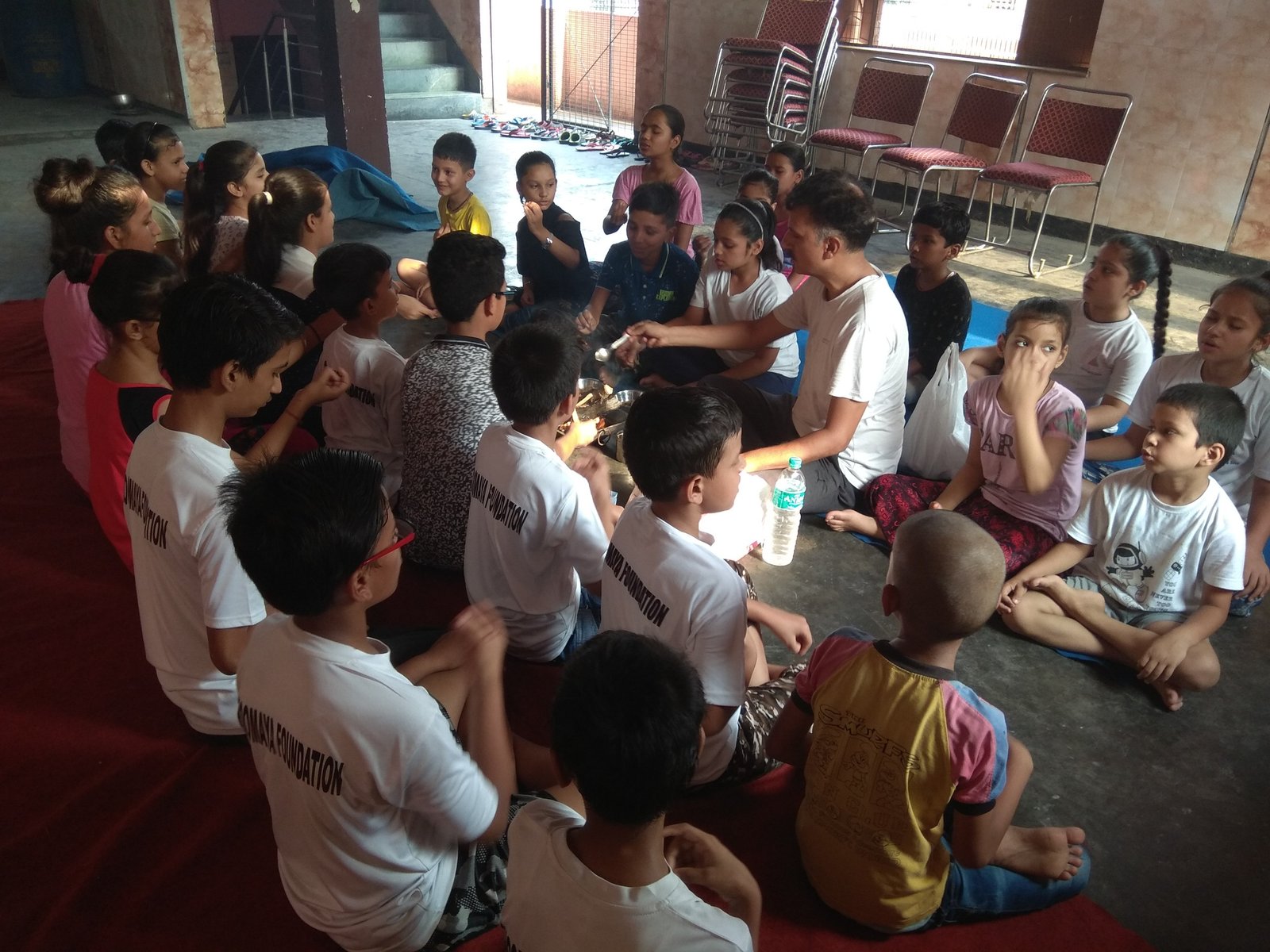
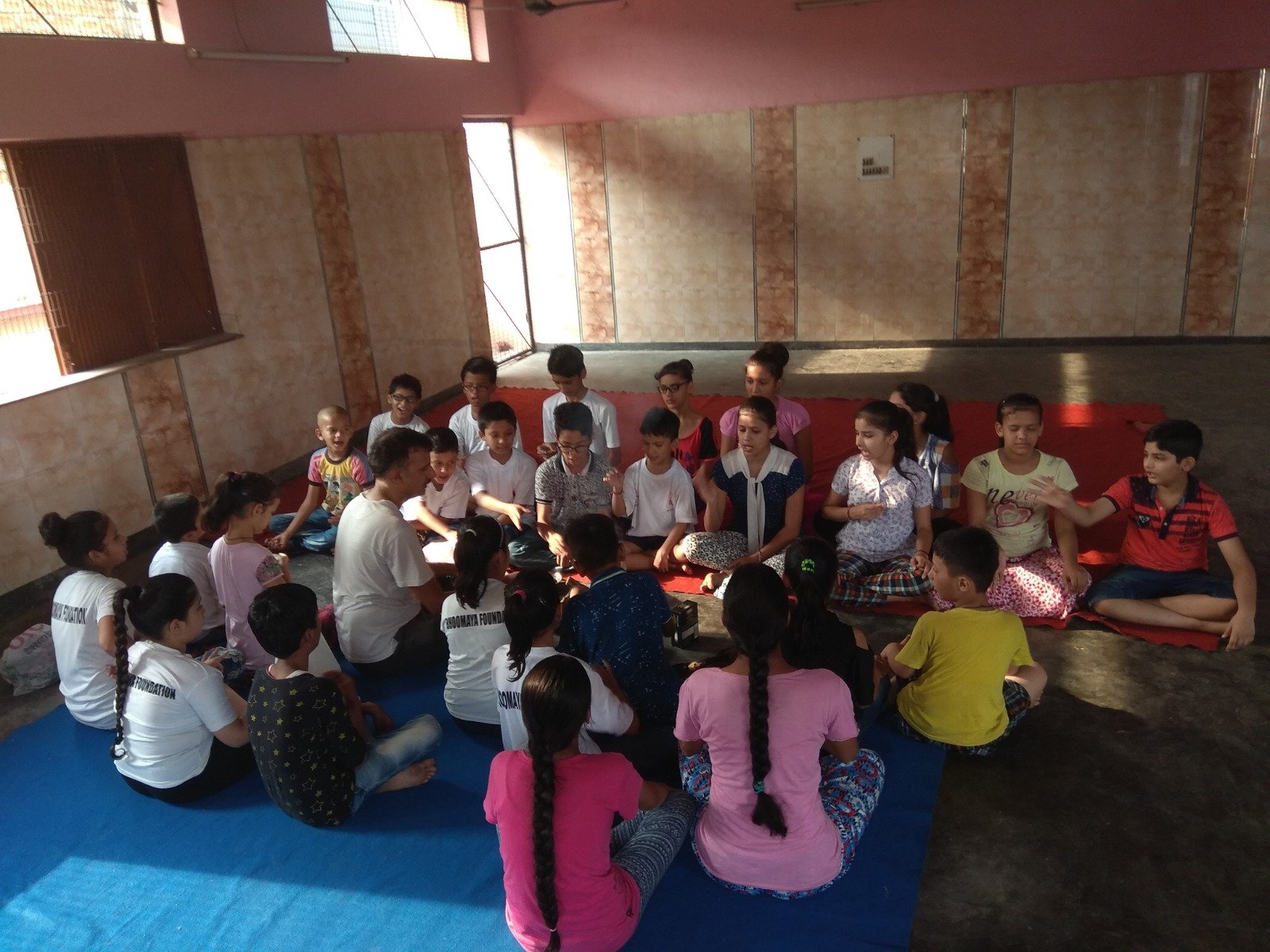
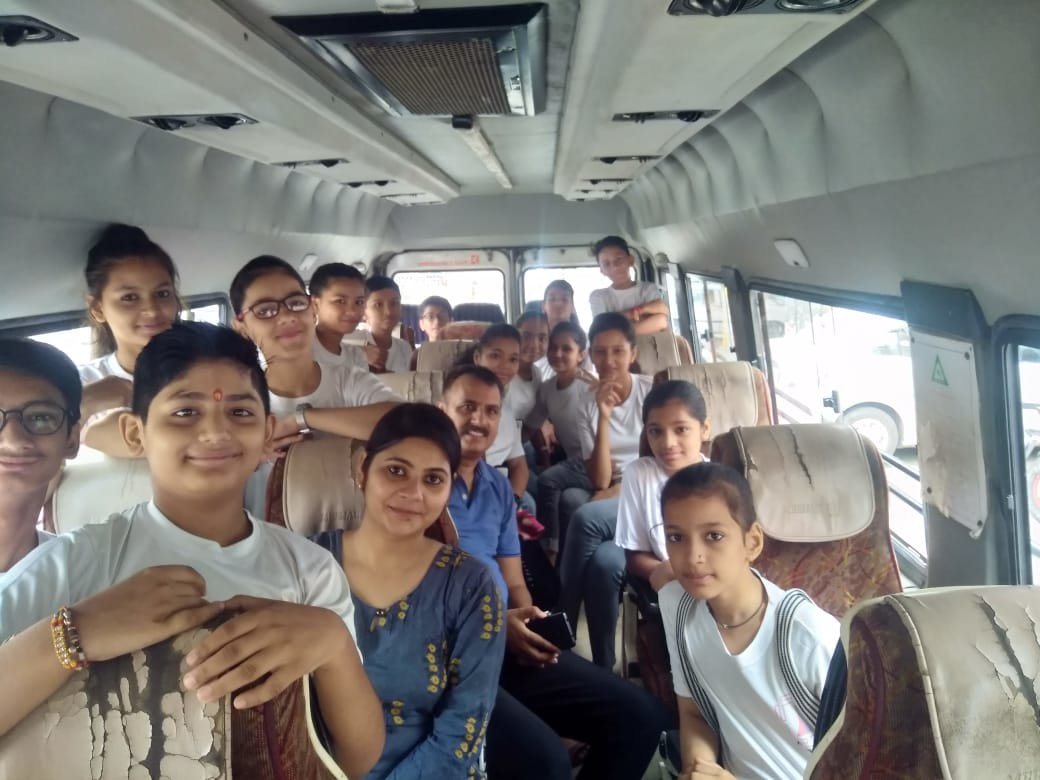
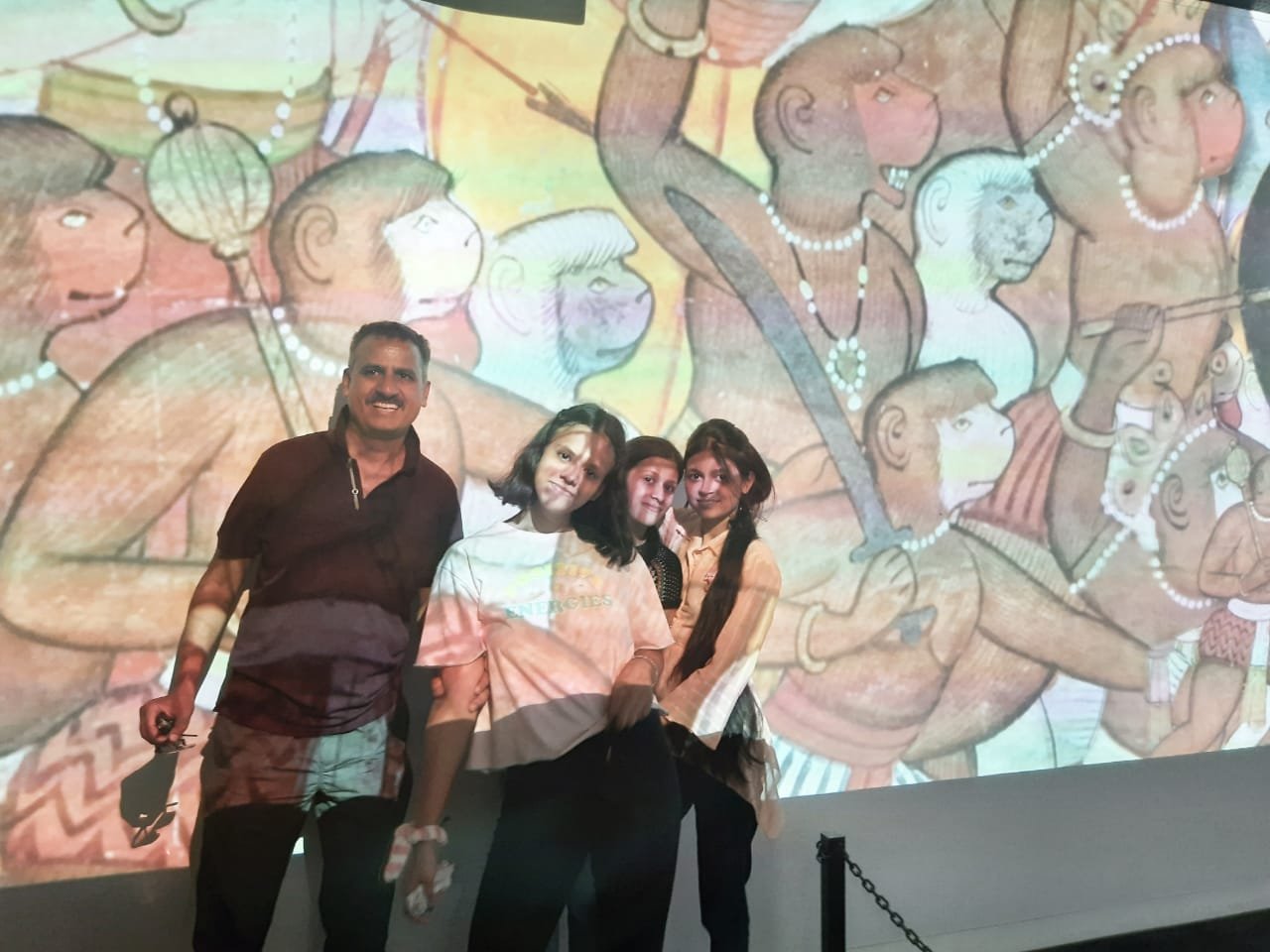
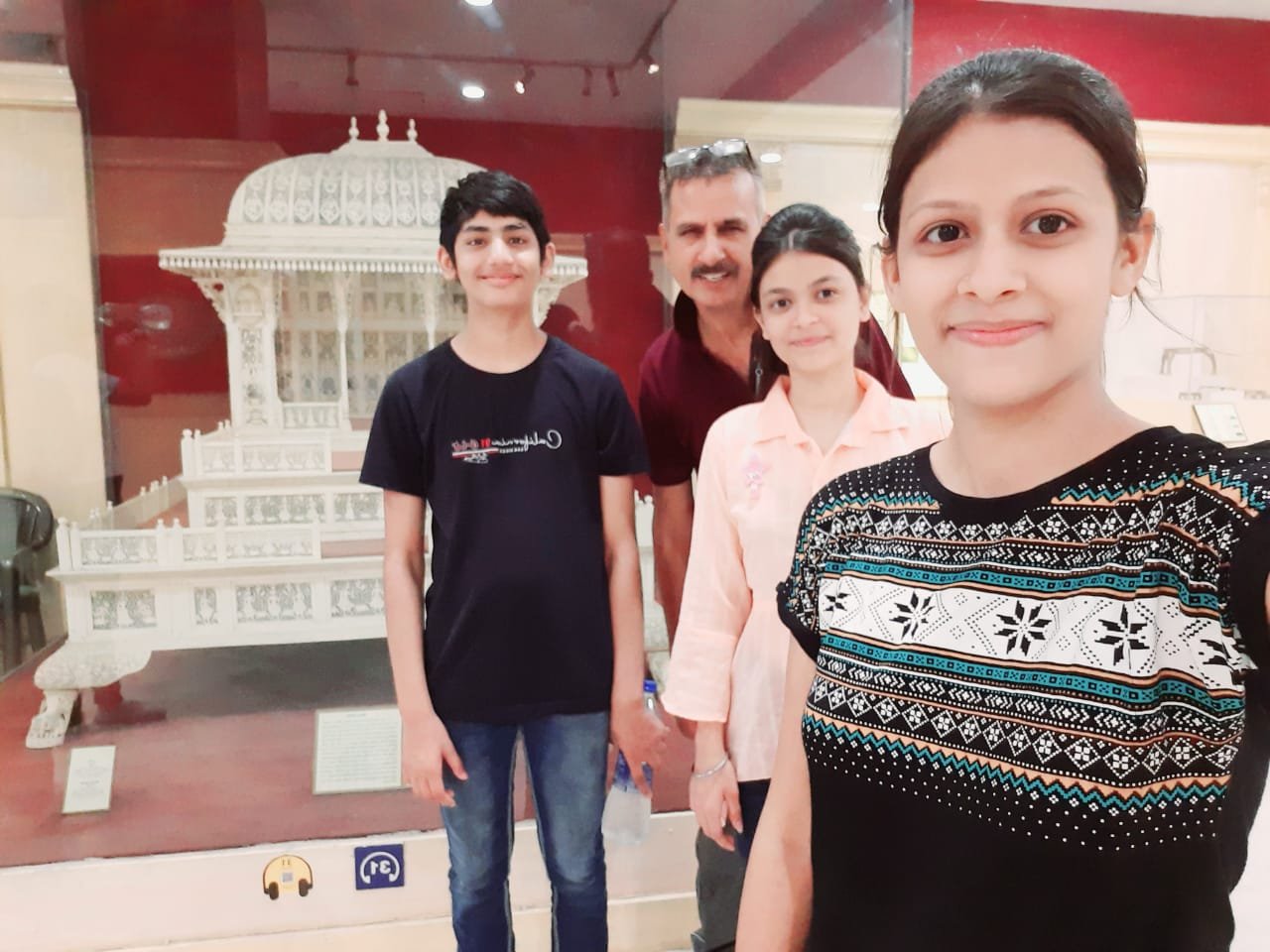
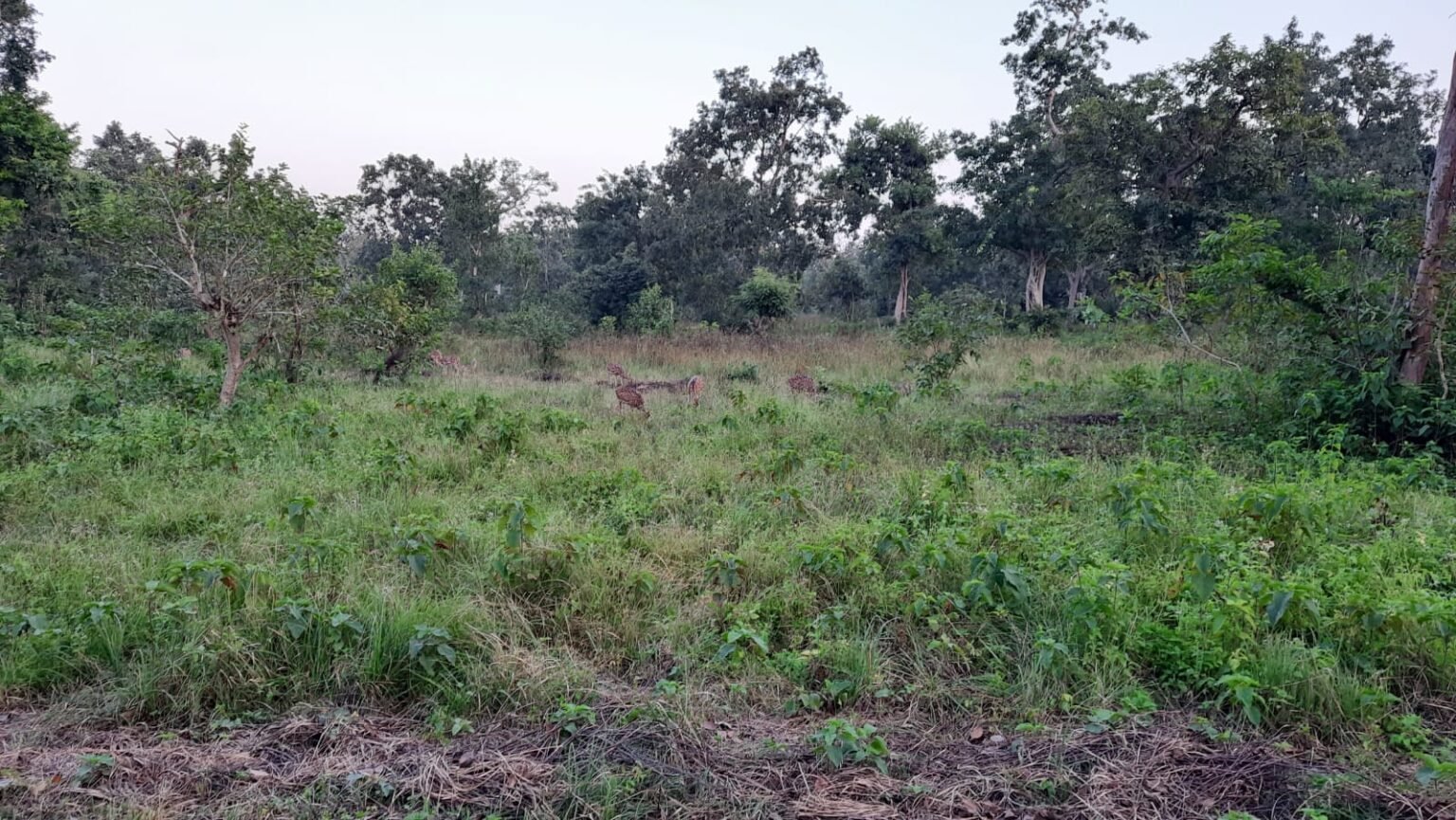
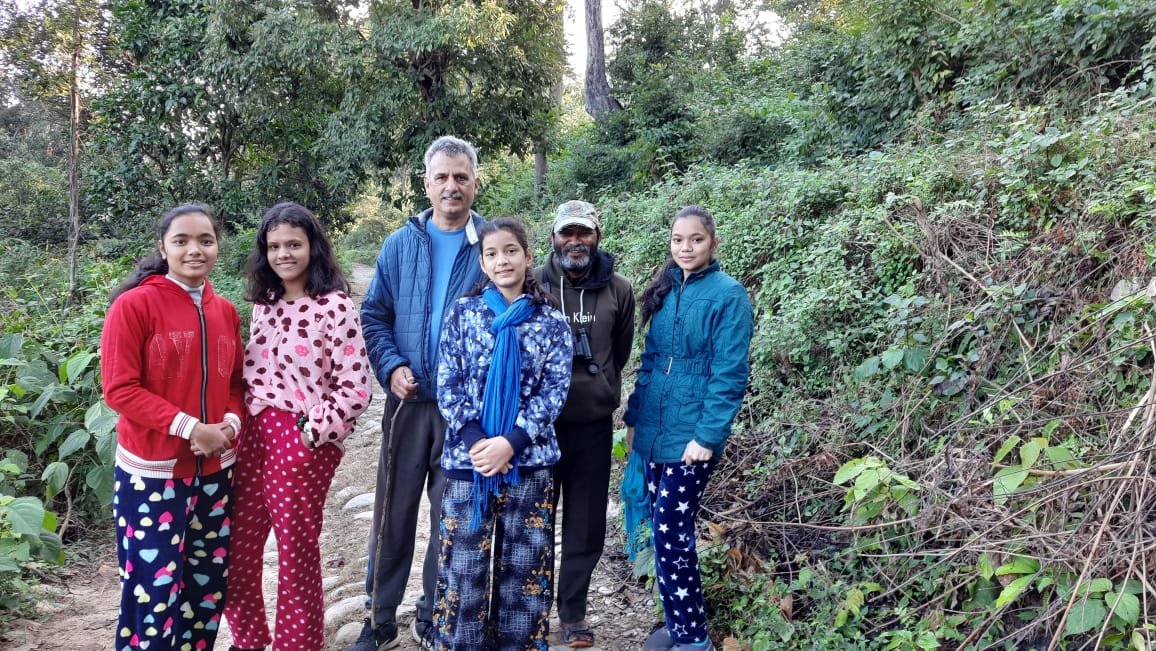
The purpose of the excursion is to offer opportunities for personal growth and adjustment while exploring new places and experiencing nature. This can help participants develop adaptability, broaden their perspectives, and gain a deeper appreciation for the environment.
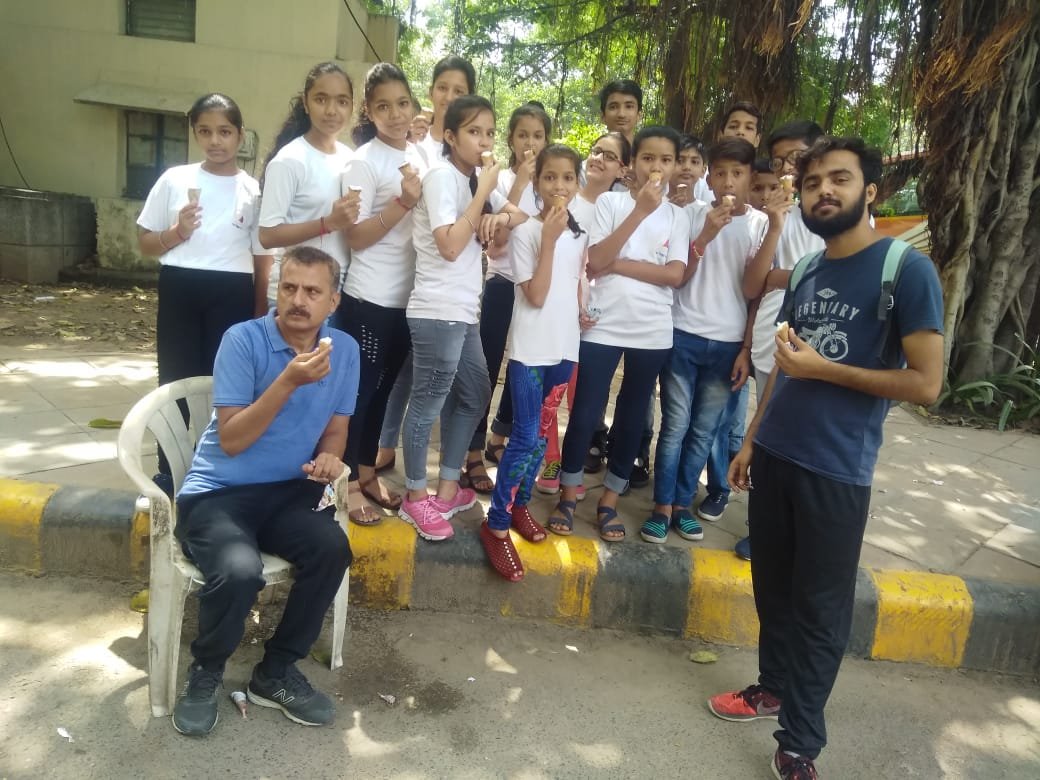
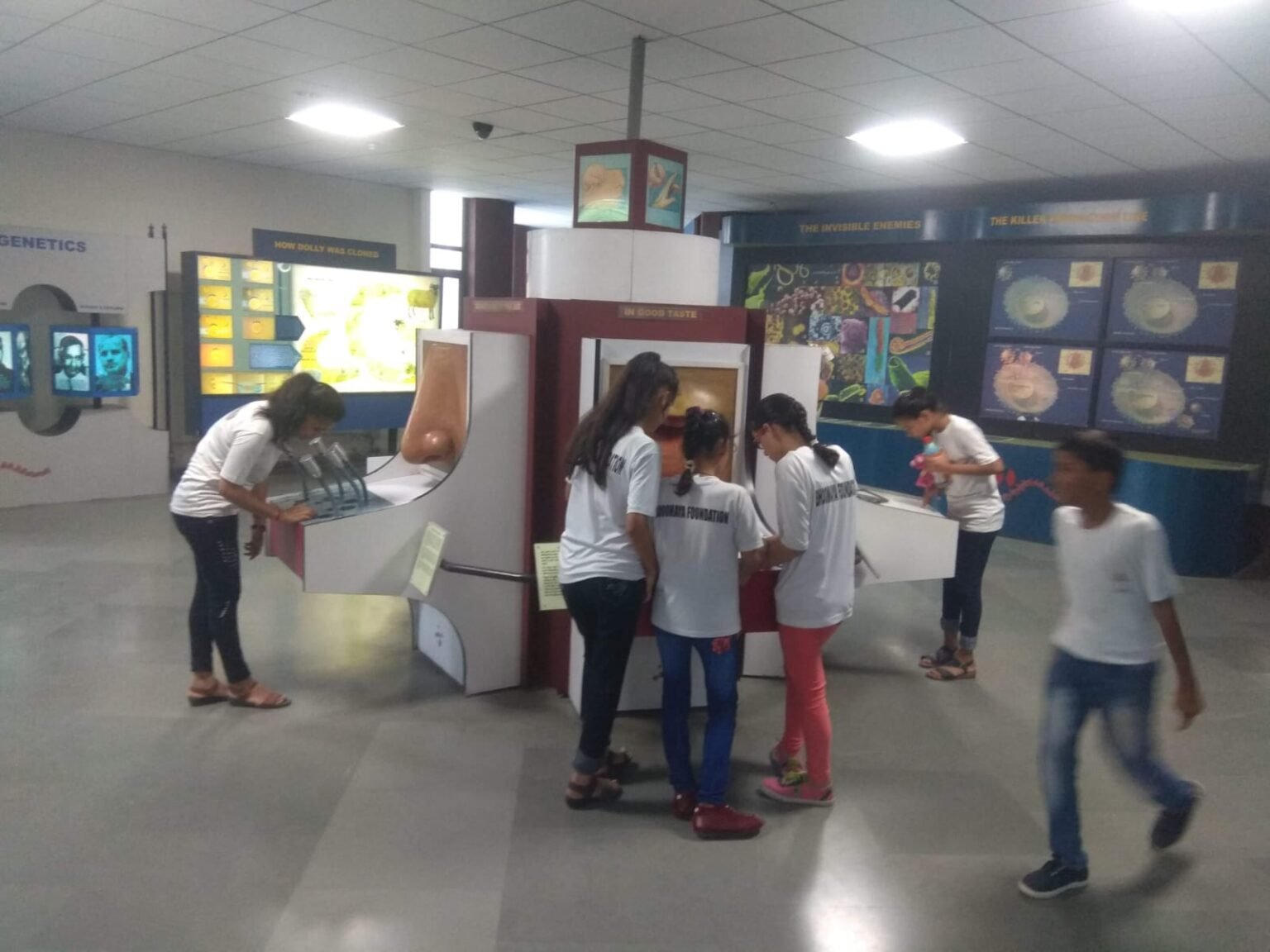
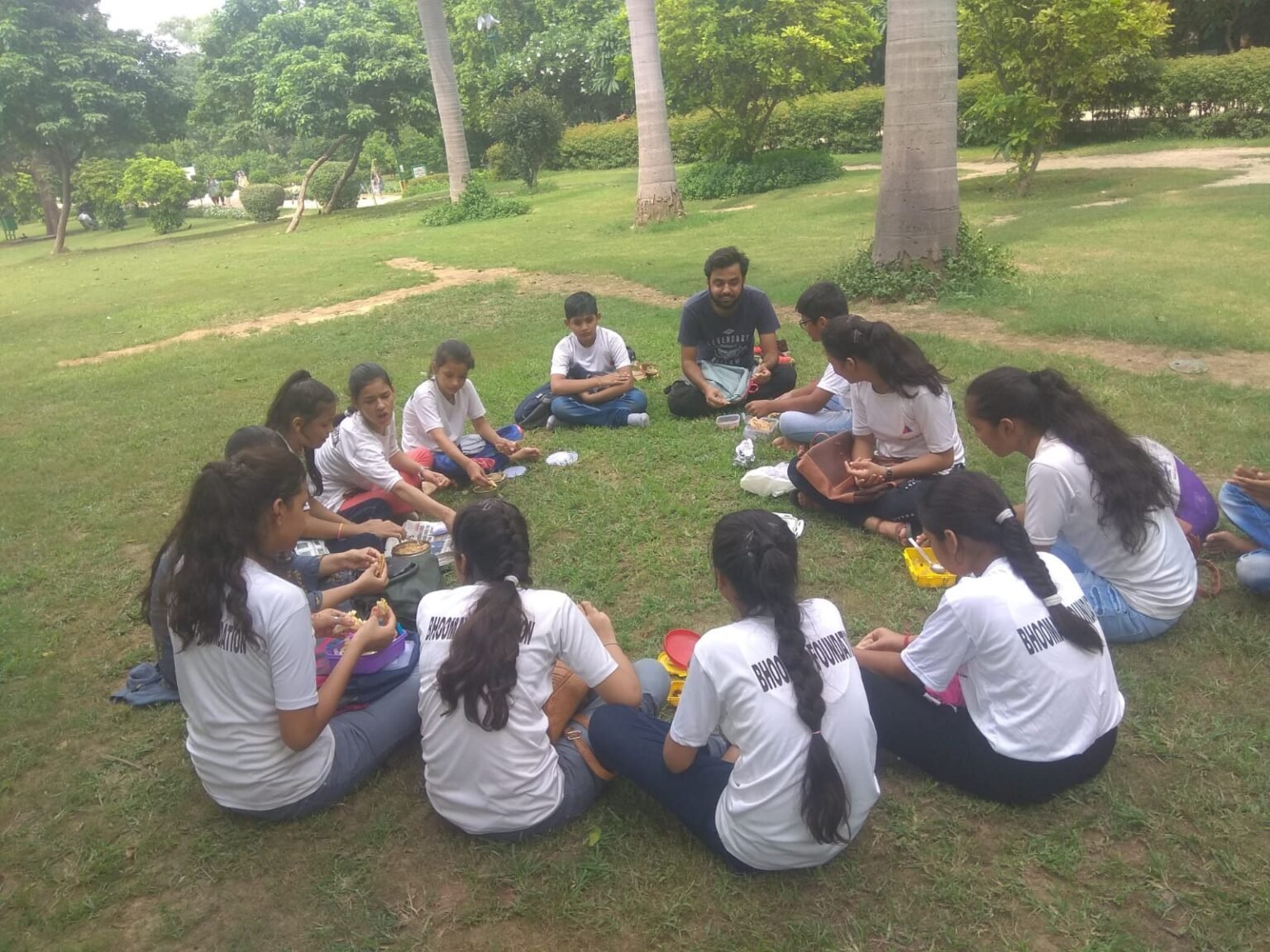
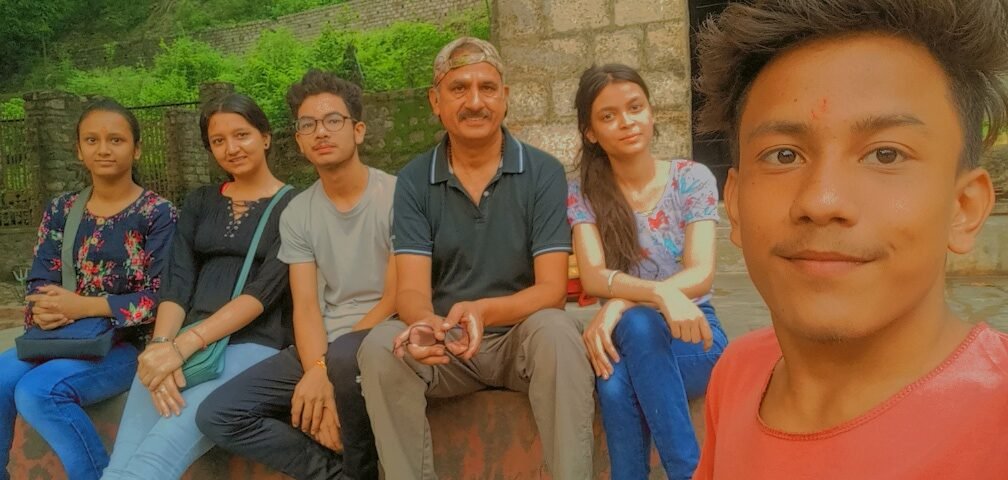
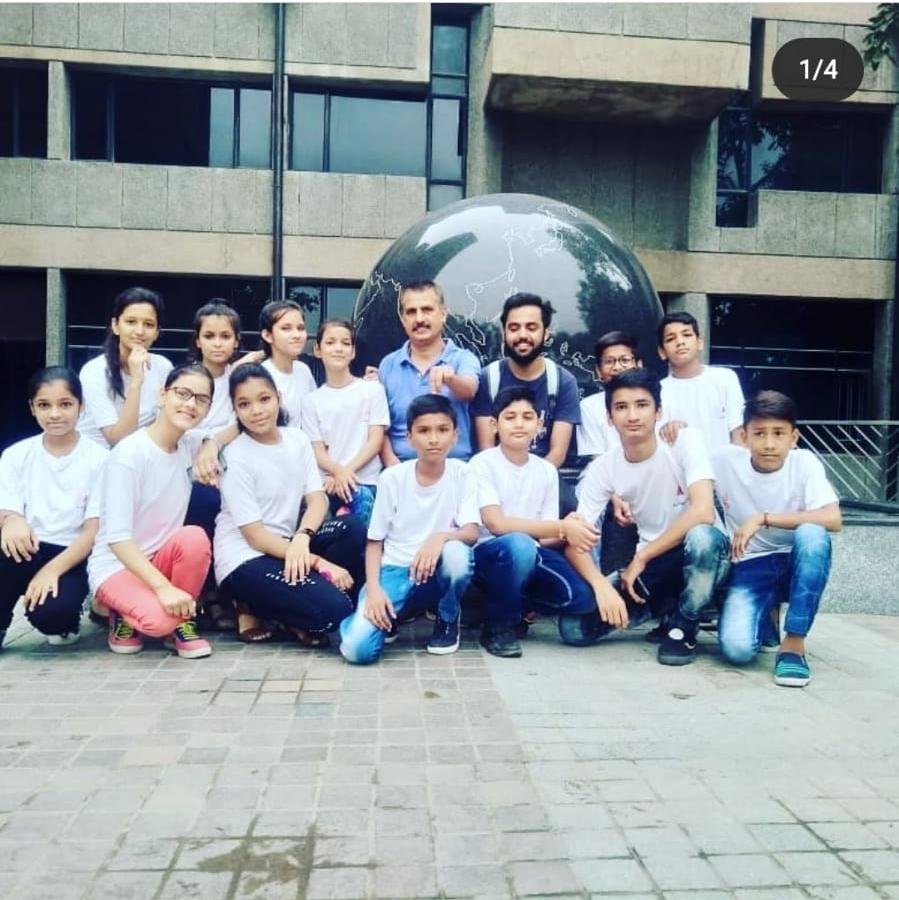
The word “Seva” (सेवा) carries a profound meaning in Sanskrit . It refers to:
– Selfless service
– Acts of kindness
– Helping others without expectation
– Volunteering
– Giving back to the community
Seva involves doing something for the benefit of others without expecting anything in return. It’s about being selfless, compassionate, and generous, and making a positive impact on someone’s life or the world around us.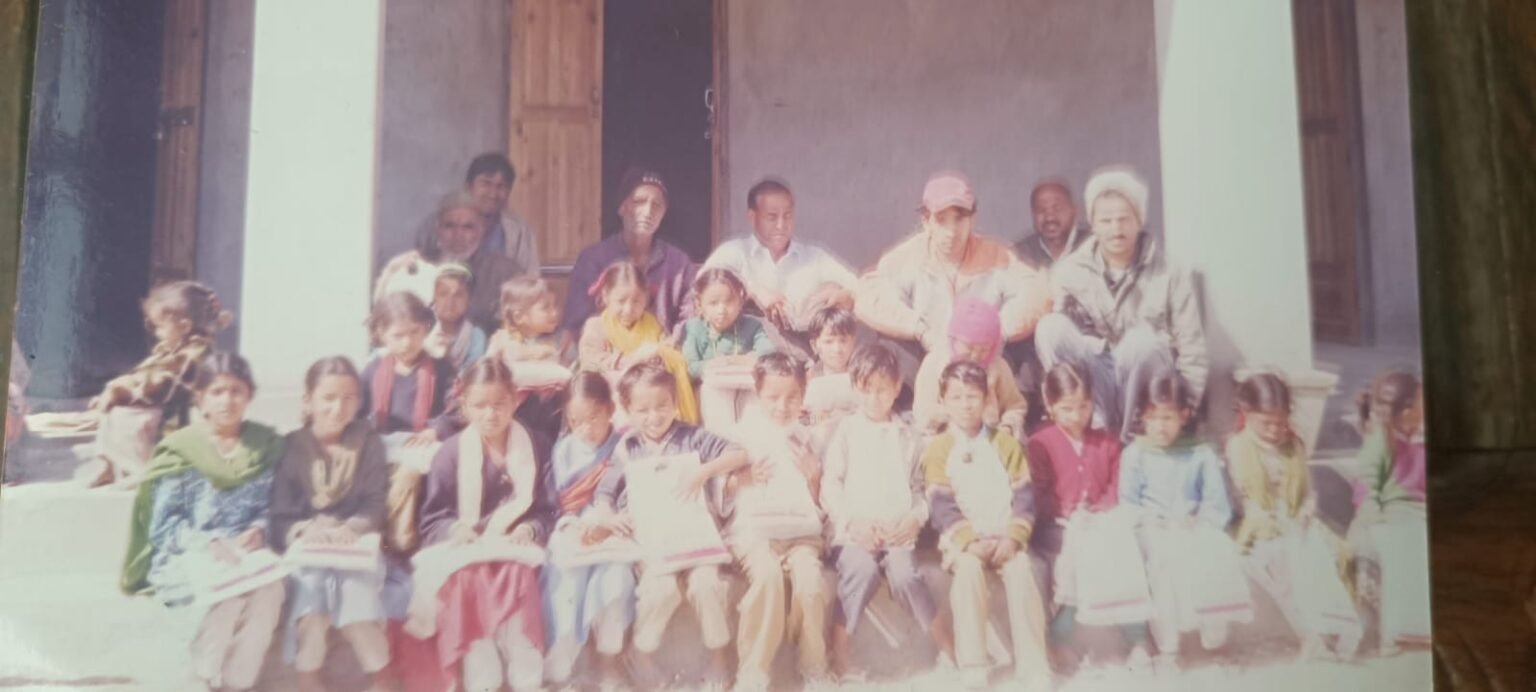
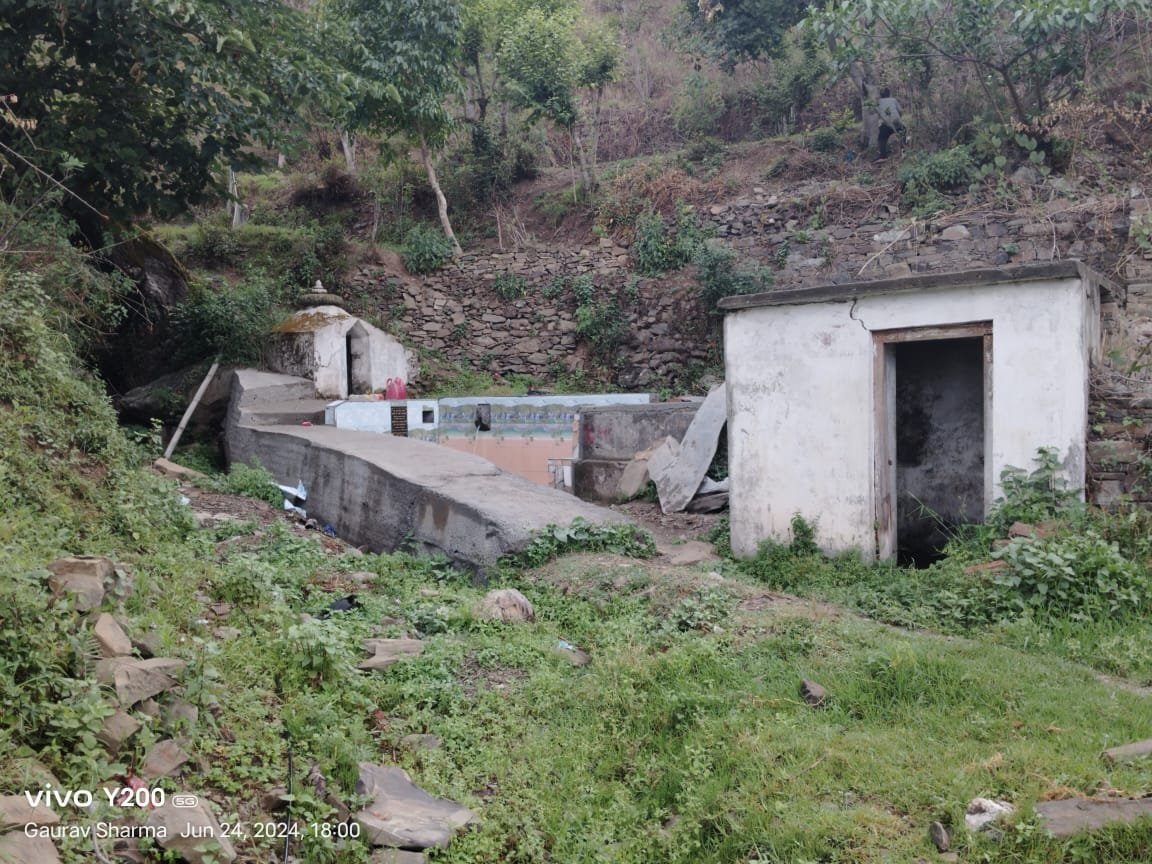
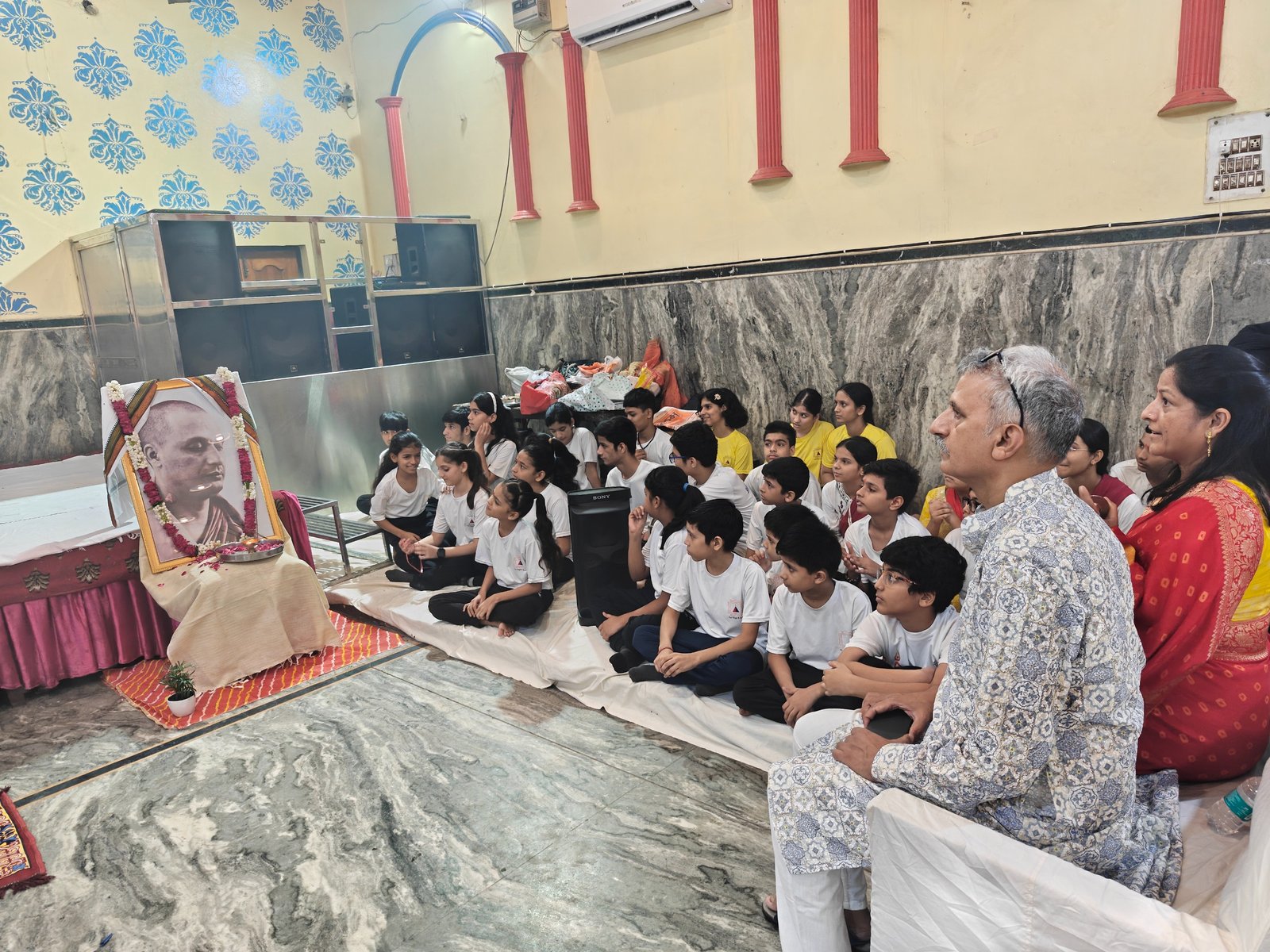
Every year on September 12th, our yoga centre gathers to celebrate Sanyas divas of Swami Satyanand Saraswati — a day dedicated to honouring the life, legacy, and teachings of one of the greatest yoga masters of our time, whose vision brought yoga to millions across the world. We celebrate his spirit through four offerings close to our heart: hawan, the sacred Vedic fire ritual where we offer our gratitude into the flame and pray that his teachings continue to guide us; devotional dance, a joyful expression of reverence through movement; yoga, practised together as a community in the true spirit he always championed — yoga not as exercise, but as a way of life; and games, because Swami Satyanand always believed that joy, laughter, and play are as much a part of a complete life as meditation and discipline.
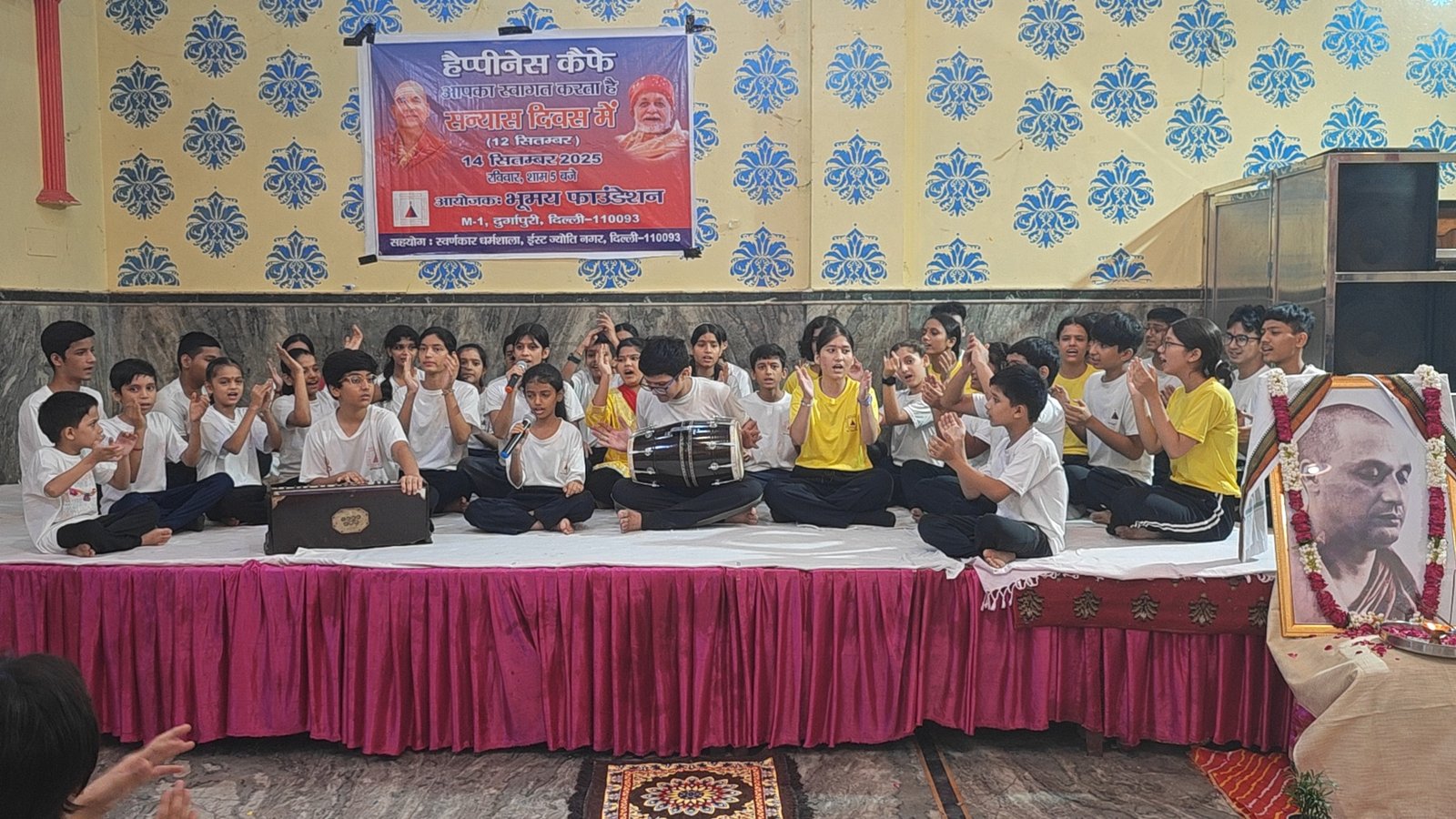
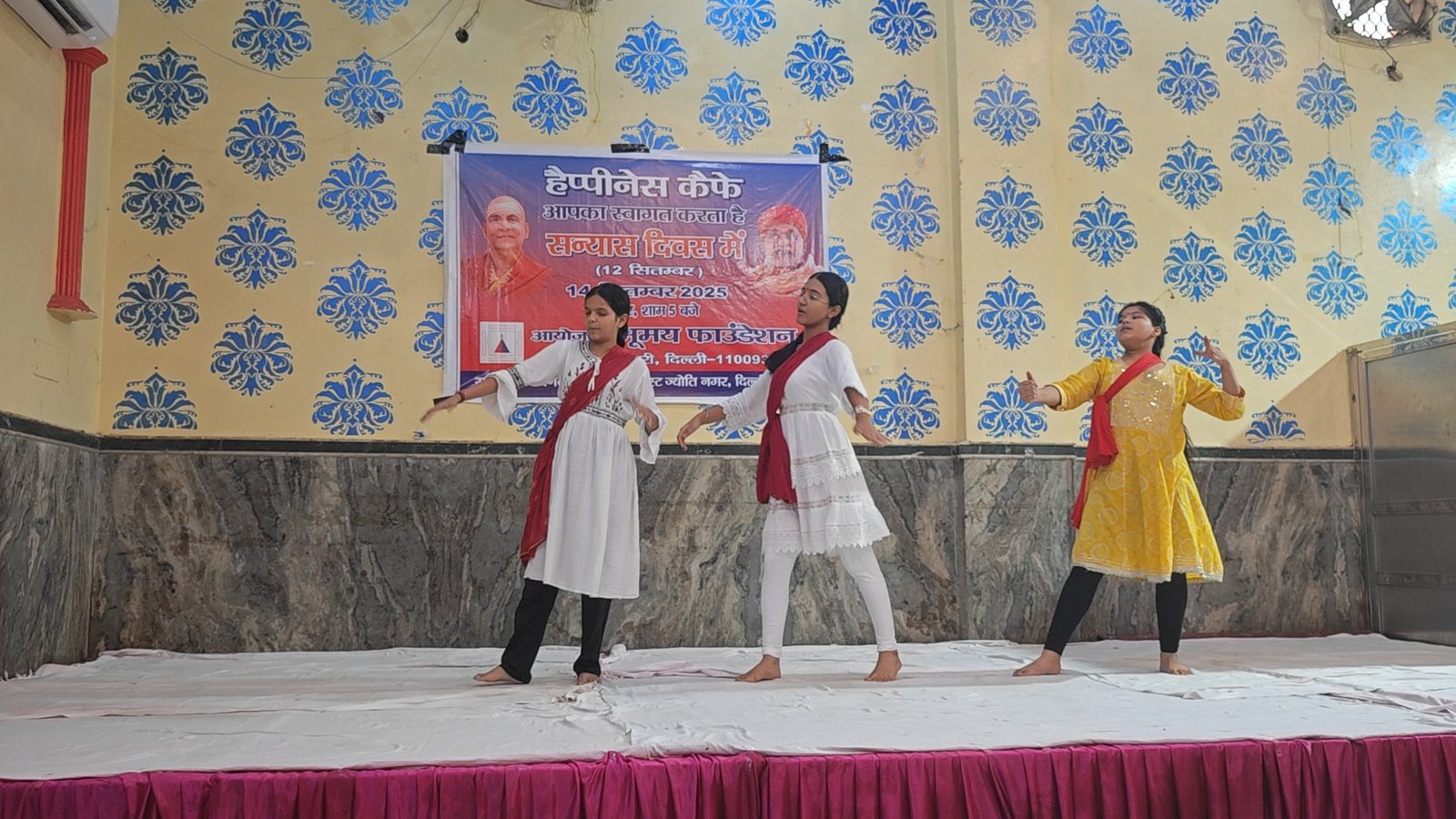
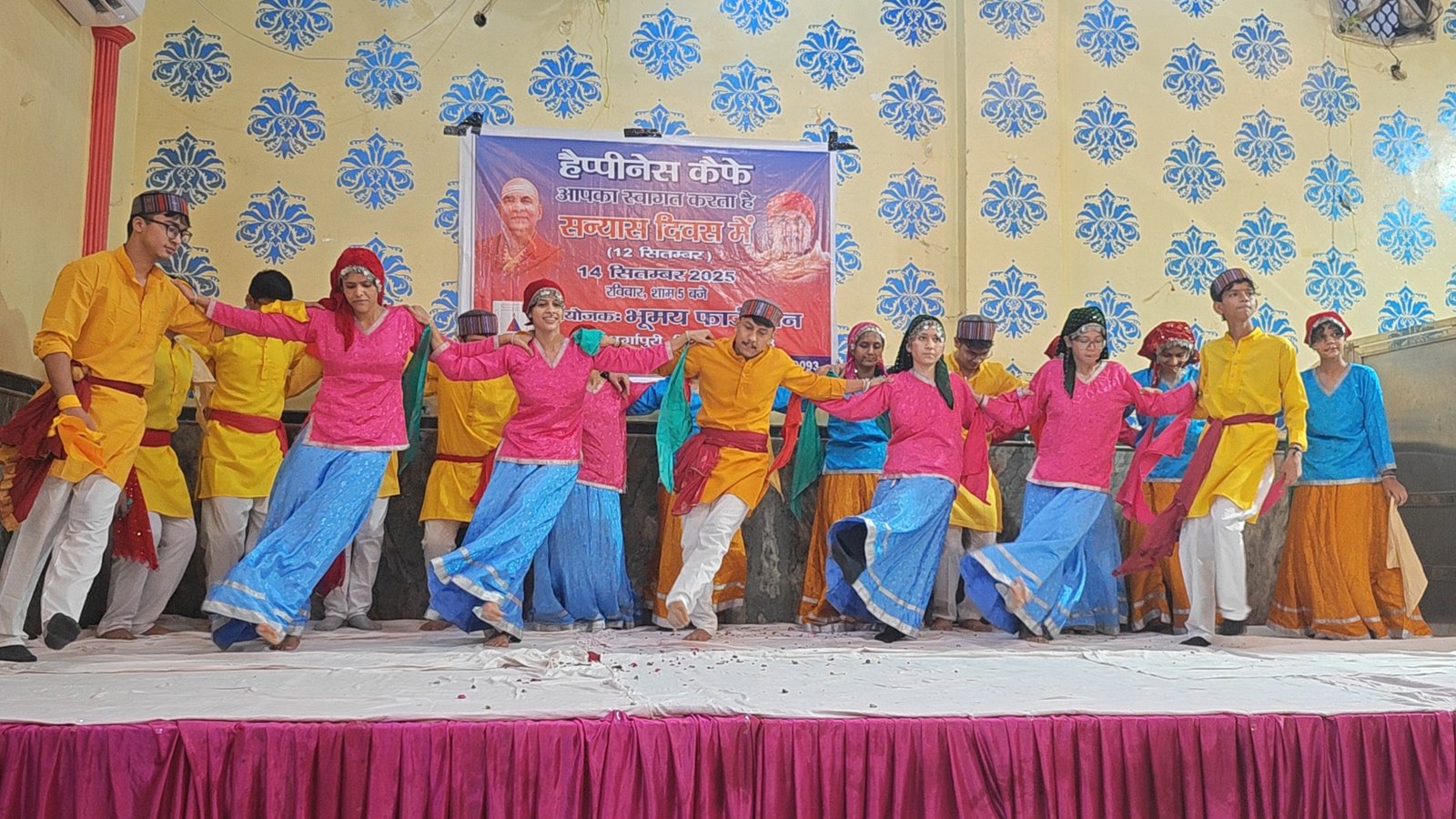
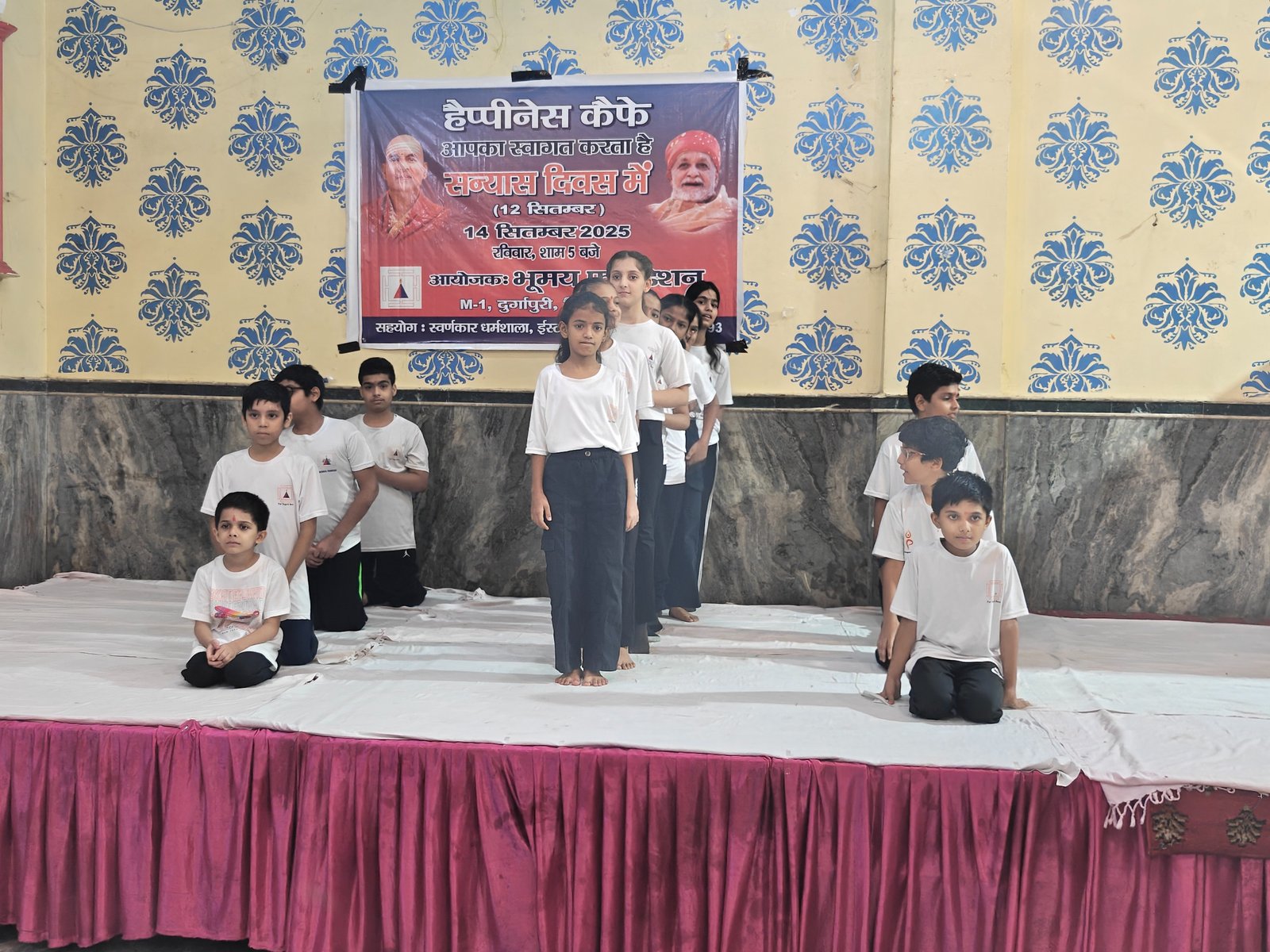
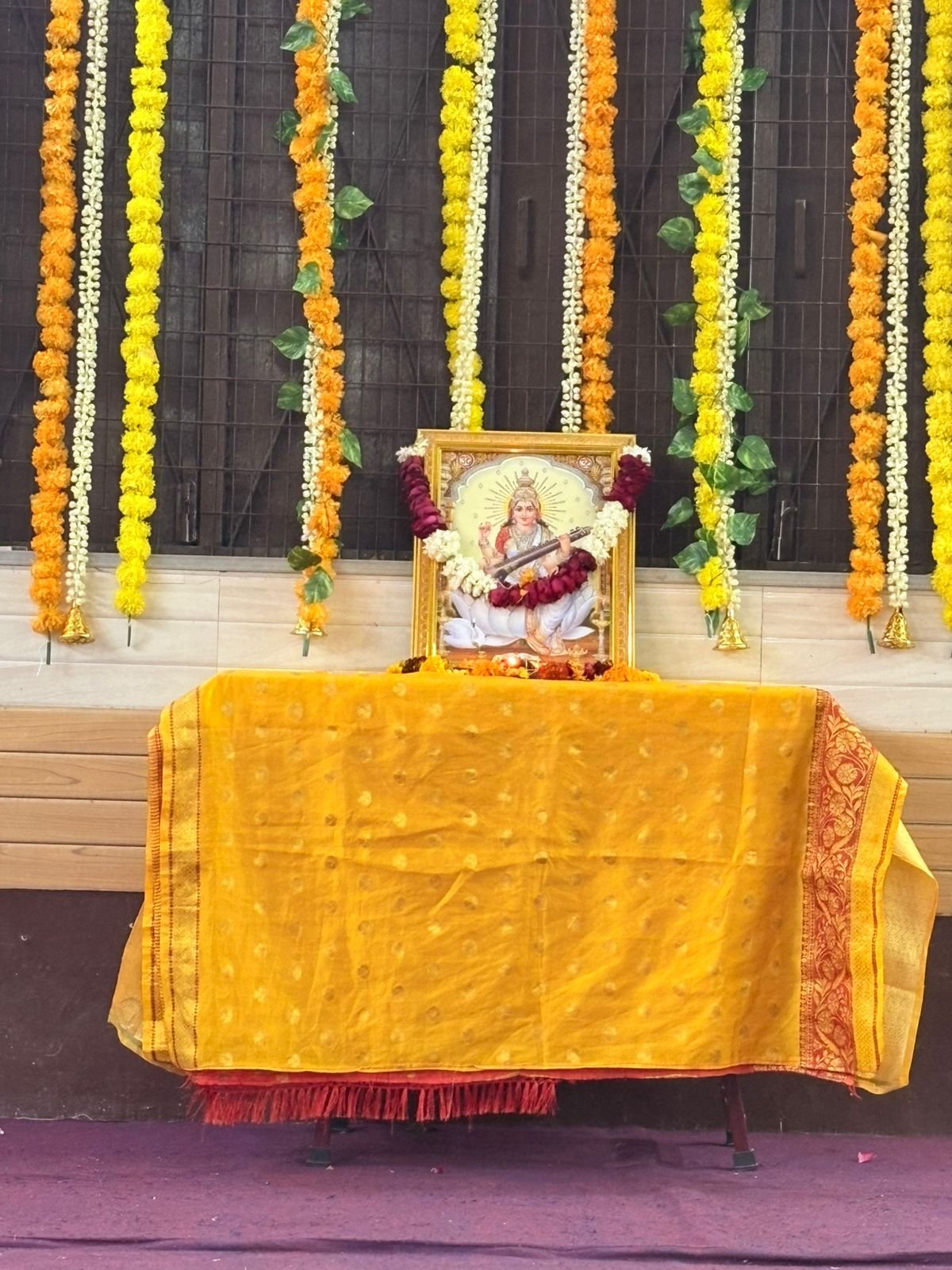
Every year on February 2nd, our yoga centre gathers to celebrate Saraswati Divas — a day dedicated to Goddess Saraswati, the deity of knowledge, wisdom, and the sacred teachings that form the very foundation of yoga. We honour her through four heartfelt offerings: Saraswati Vandana, a classical dance where the body becomes a living prayer; kirtan, devotional singing that unites every voice in the room; the sacred chanting of her 108 names, each one a meditation in itself, drawing us deeper into her grace; and hawan, the Vedic fire ritual where we offer into sacred flame our ignorance and our gratitude, asking Ma Saraswati to keep the light of wisdom burning in our practice, our teaching, and our lives.